
In many neighborhoods, once a year someone knocks on your door offering to paint your house number on the street curb. The painter usually creates a white rectangle about one foot wide and half a foot tall, then paints your house number in black, about 6 inches high. The cost is usually around $25. The process is simple but manual: the painter arranges number stencils, aligns them carefully, and spray-paints the curb.
This traditional method has worked for decades, but it has not changed much. It still depends on physical number blocks, manual alignment, and steady hands. Each house requires resetting the stencils, which takes time and effort. It is practical, but not very efficient.
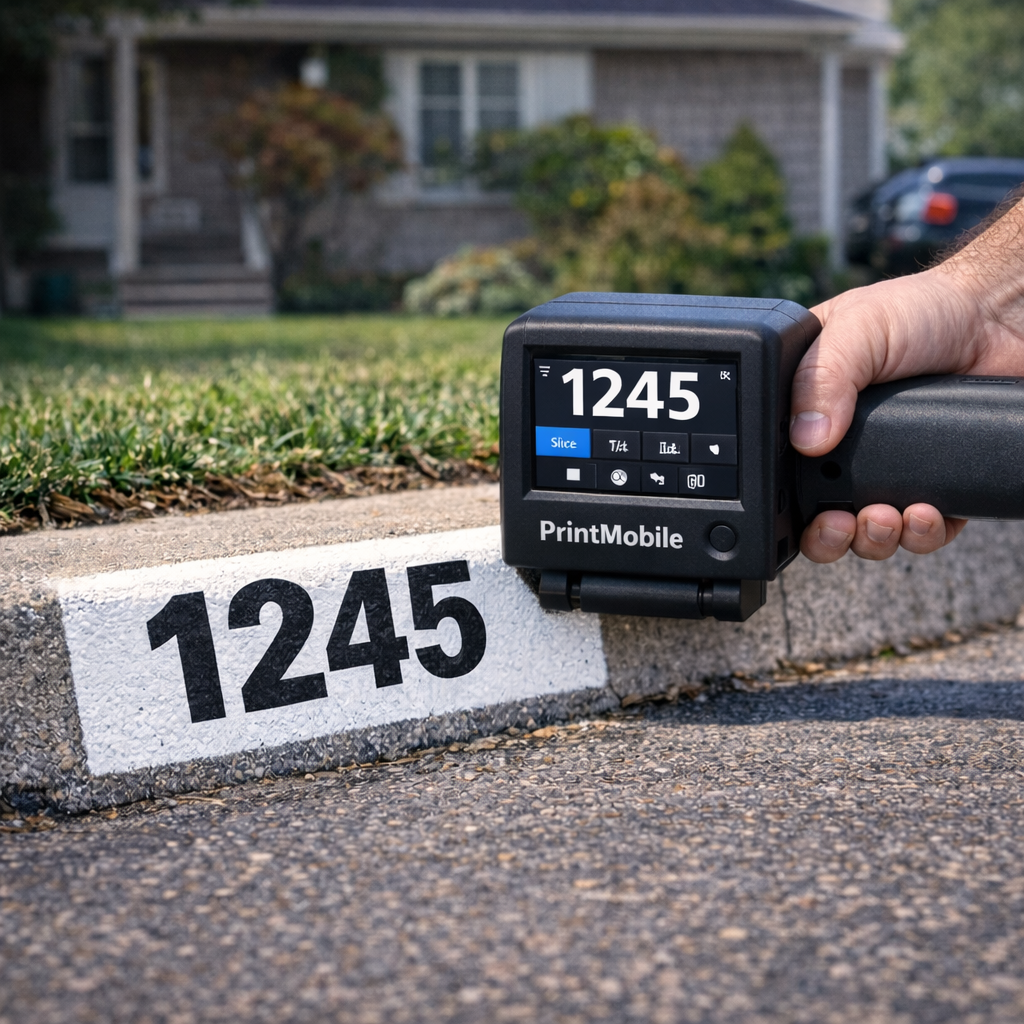
Now imagine a smarter way to do this. We call it PrintMobile, an AI-enhanced handheld printing system that allows you to print on almost any surface, street curbs, wood, brick, plastic banners, posters, presentation boards, and more. The idea for PrintMobile actually began nearly twenty years ago, when we registered the domain PrintMobile.com on November 8, 2007. Today, with modern AI technology, that early idea can finally become reality.
With PrintMobile, there is no need to manually arrange number blocks. You simply type in the house number on a small screen, select the size and style, and print. The system uses AI to help align the text and adjust to different surfaces. Whether the curb is slightly rough or the wood grain is uneven, the device can adapt and produce clean, consistent results.
The advantages are clear. It is faster, more accurate, and more flexible than traditional stencil methods. What used to take several minutes can now be done in seconds. The print is straight and evenly spaced. You can easily change fonts, sizes, or even add logos and simple graphics. Over time, it can reduce labor and increase productivity for service providers.
Of course, there are also challenges. The device would require an initial investment, and users would need to maintain ink and battery power. Extremely rough or wet surfaces might affect print quality. Like any new technology, there may also be a short learning curve. However, as the technology improves, these limitations can be reduced.
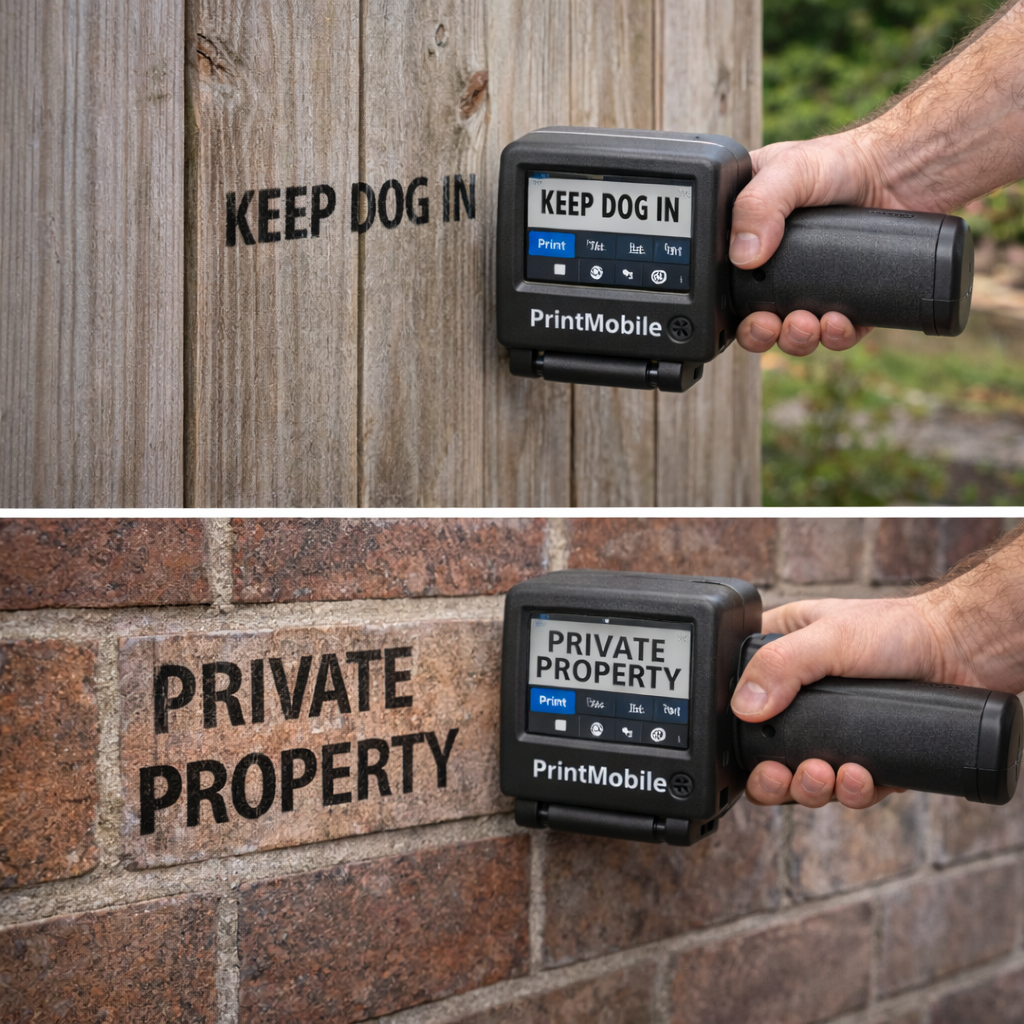
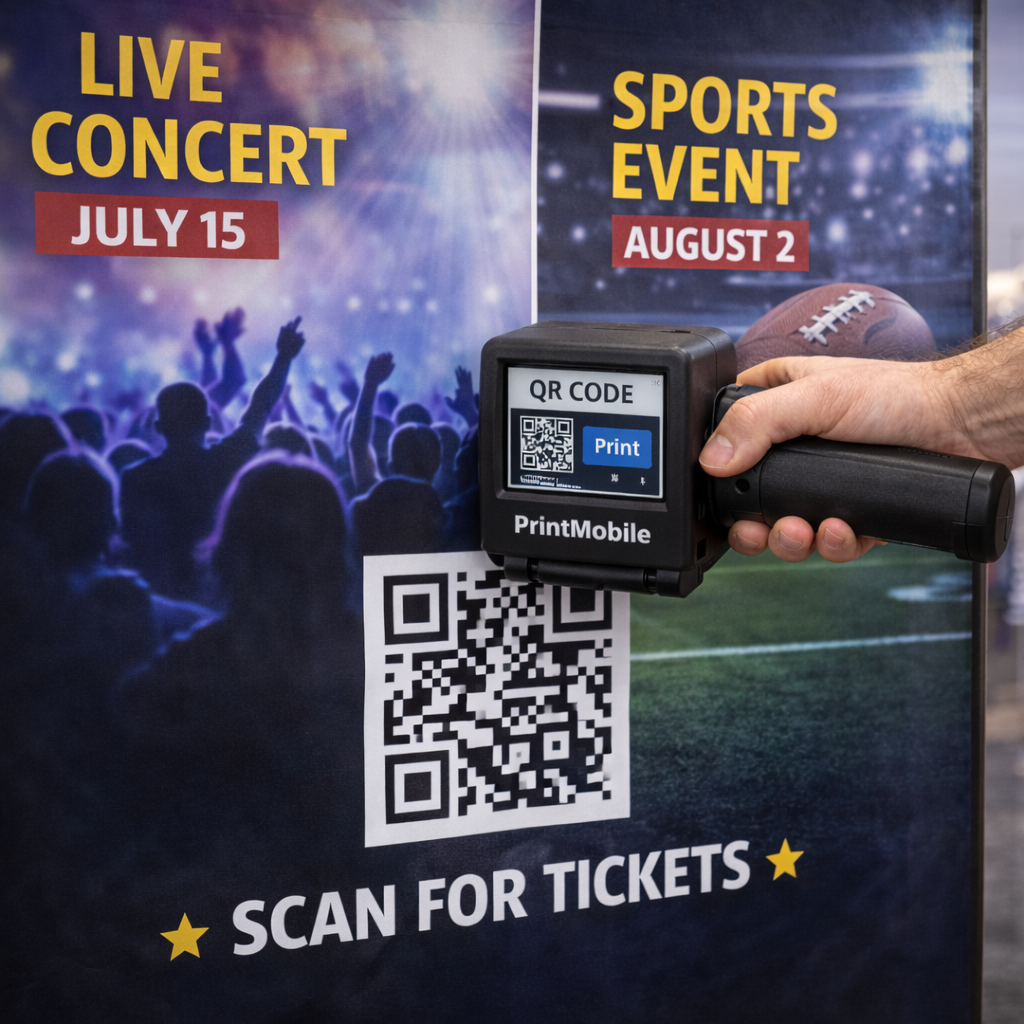
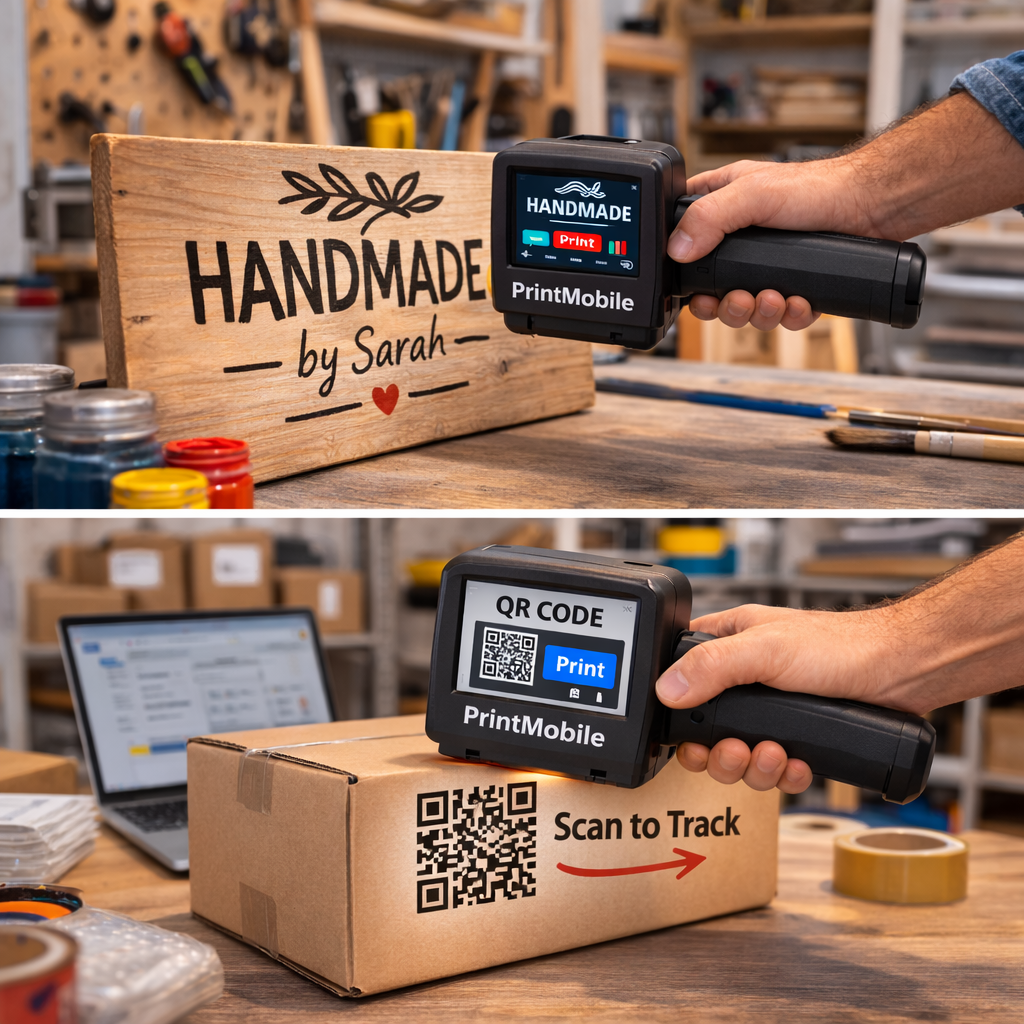
Beyond curb numbers, PrintMobile has many possible uses. Small businesses could print logos directly onto packaging. Event organizers could create quick signage on banners or boards. Construction sites could label units and materials on the spot. Artists and DIY enthusiasts could print custom designs on wood or other materials. The device turns almost any surface into a printable space.
From a business perspective, PrintMobile could be sold directly to contractors and entrepreneurs, or even offered as part of a service franchise model. A single operator could print dozens of curbs in one day, potentially earning far more than with traditional stencil methods. The device could also be marketed to small businesses that need quick, mobile branding solutions.
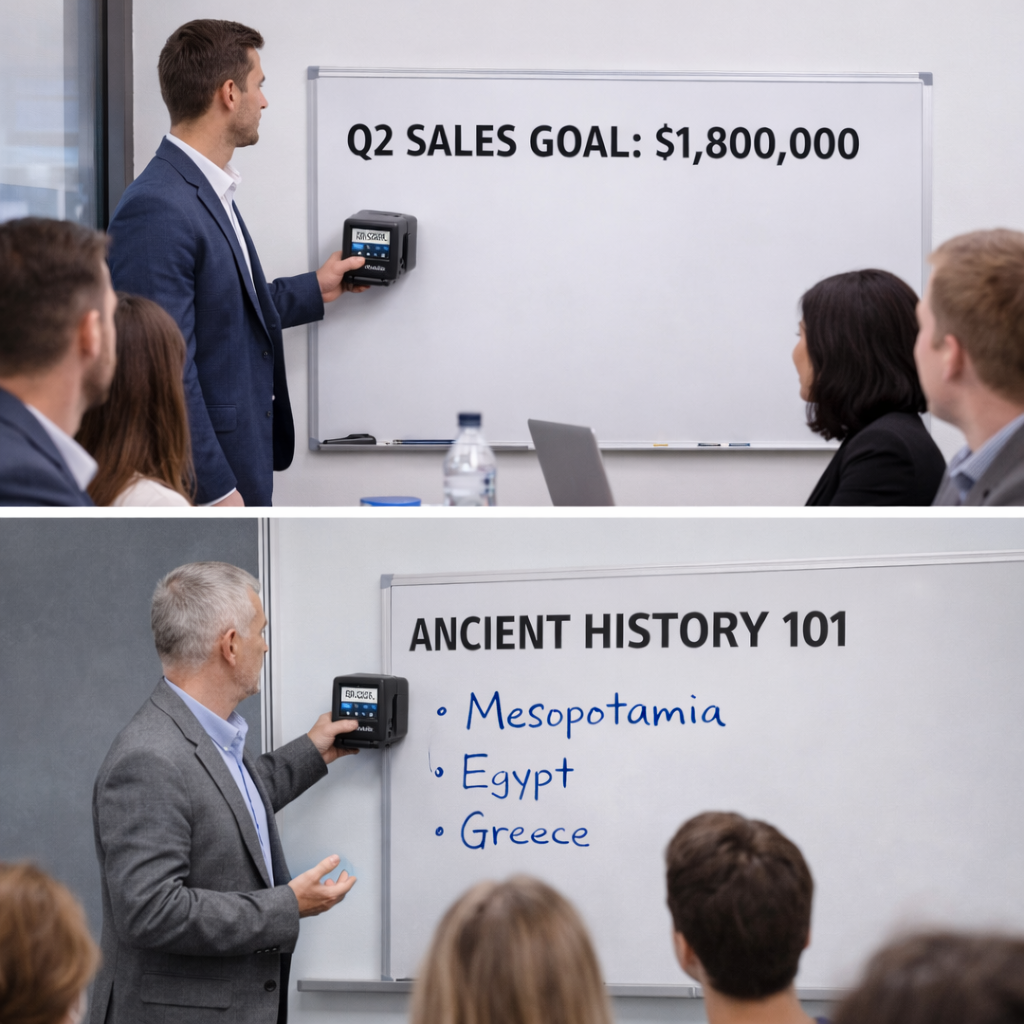
PrintMobile represents more than just a better way to paint house numbers. It reflects how AI can modernize simple, everyday services. By combining portability, smart software, and printing technology, it creates new opportunities for efficiency and creativity.
What started as a simple observation—someone painting curb numbers—can now become a modern, AI-powered tool. PrintMobile transforms manual stencil work into programmable precision, bringing innovation literally into the palm of your hand.