
For decades, data-center providers have imagined a future where information no longer lives exclusively inside concrete bunkers on Earth. Instead, data would rise into the sky—and eventually into outer space—free from geographic limits and physical vulnerabilities. In recent years, this vision has moved closer to reality as startups and research initiatives explore infrastructure that is no longer bound to land, borders, or fragile terrestrial systems. With AI now powering nearly every digital service and global demand for compute and storage accelerating rapidly, the need for a new, always-available form of infrastructure feels less like science fiction and more like an inevitable next step.
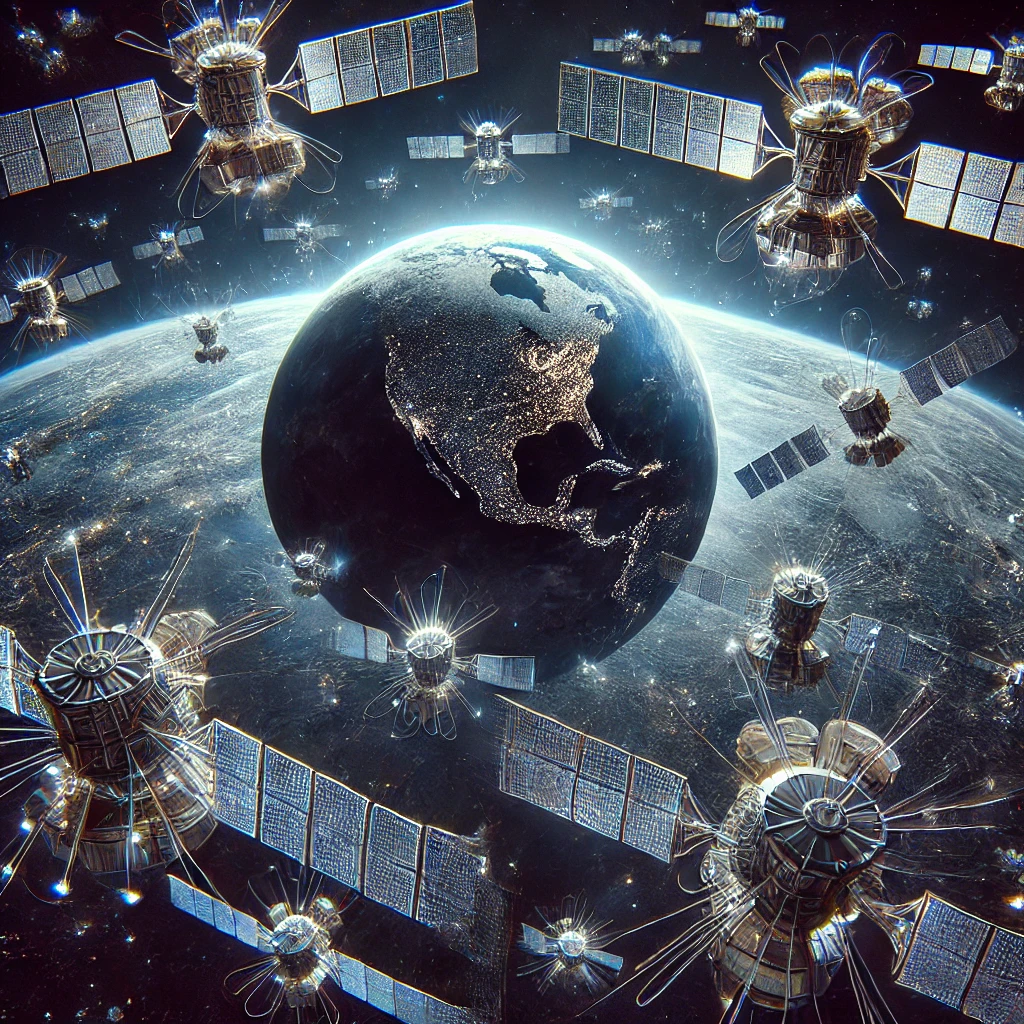
This is where Sky9 begins. It envisions a world in which massive satellite-based data centers orbit the planet like artificial constellations, each carrying racks of advanced servers capable of storing terabytes—or even petabytes—of data. These orbiting facilities would continuously circle Earth, forming a planetary-scale cloud that is always in motion, always connected, and always above us. Instead of a cloud metaphor, Sky9 proposes a literal one: computing infrastructure that lives in the sky.
The name Sky9 itself reinforces this vision of permanence and elevation. In Chinese culture, the number 9 symbolizes longevity and enduring power, historically reserved for emperors and ideas meant to last across generations. The term Sky9 also has a concrete origin, marked by the registration of sky9.com on September 14, 2001, giving the concept an early foothold in the modern internet era. More than a name or a domain, Sky9 represents the ninth layer of the cloud—beyond land, beyond oceans, and beyond borders—where data exists outside the traditional constraints of Earth.
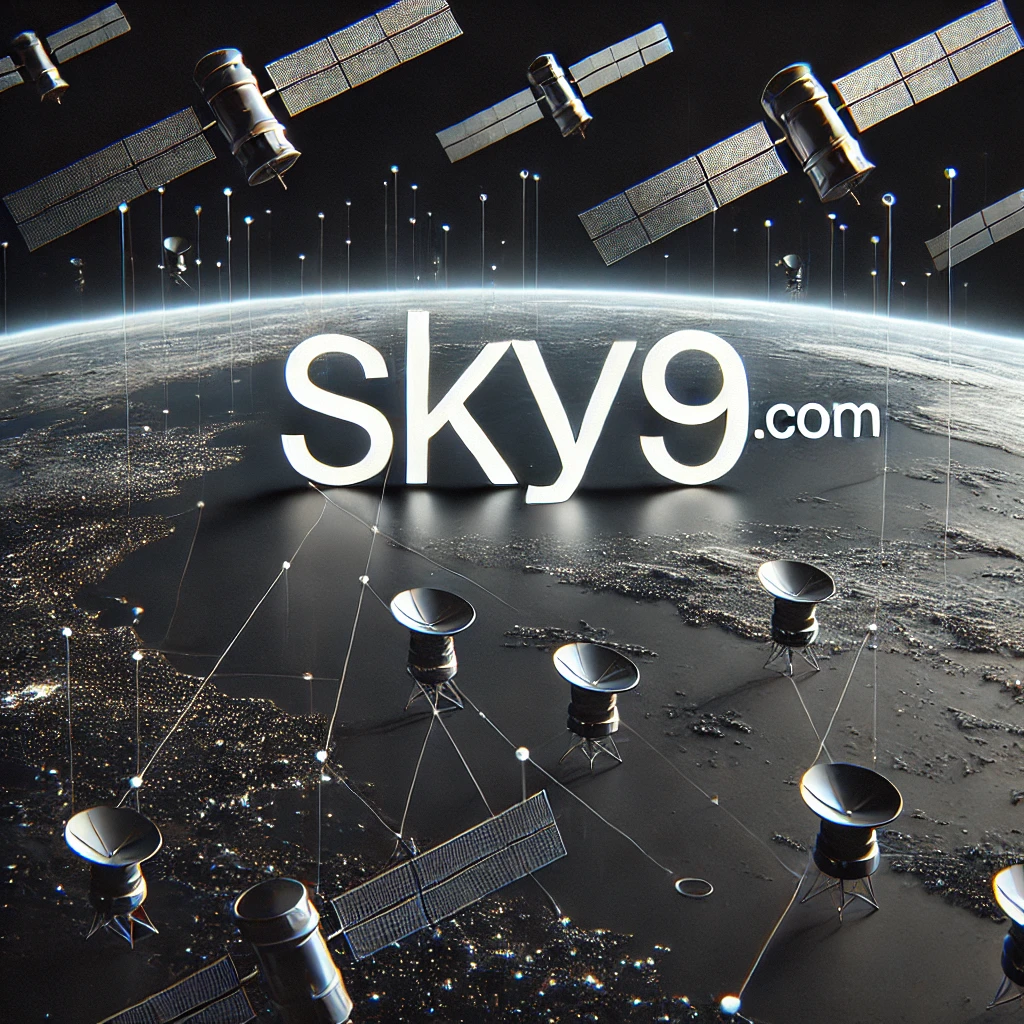
Turning this vision into reality depends on a new class of space-native technology. At the core of Sky9 are next-generation servers designed specifically for orbital environments. Unlike traditional data centers that depend on buildings, cooling towers, and power grids, these systems would rely on radiation-hardened hardware, ultra-dense solid-state storage, and AI-managed operations. A single satellite could house the equivalent of an entire data-center hall, complete with autonomous monitoring, self-optimizing workloads, and intelligent fault detection. Free from gravity, servers could be arranged in compact, circular architectures optimized for efficiency and thermal control.
Naturally, placing data centers in the sky introduces both powerful advantages and serious trade-offs. On the positive side, orbital data centers are immune to earthquakes, floods, tsunamis, and most terrestrial conflicts. They offer near-global coverage, reduce reliance on regional infrastructure, and can leverage the cold vacuum of space for radiative cooling. At the same time, challenges remain significant: launch costs are high, physical repairs are difficult, orbital debris presents collision risks, and cybersecurity expands into a new frontier. Without careful redundancy and failover strategies, a single failure could disrupt access to critical data.
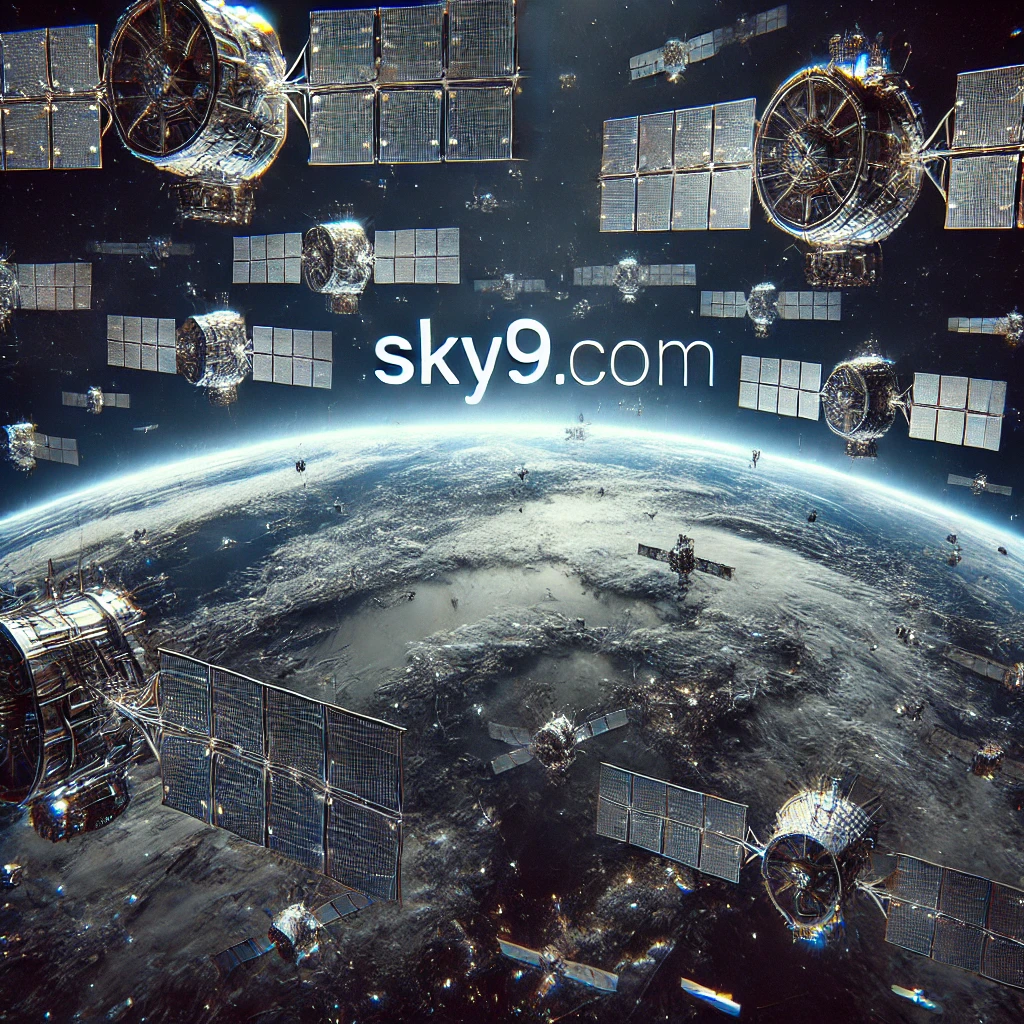
To function effectively, Sky9 would rely on a well-defined data transmission workflow. First, data is encrypted on Earth—whether originating from corporations, businesses, or personal devices. It is then transmitted to ground stations and uplinked using high-frequency radio waves or laser-based optical communication. From there, relay satellites route the data to the appropriate orbital storage node. When users request access, the process reverses: data is retrieved, encrypted again, transmitted back through the satellite network, and delivered to Earth with minimal latency. For enterprises, this could integrate seamlessly with existing cloud APIs; for individuals, the experience would feel no different from today’s cloud—except that the data physically resides above the planet.
Looking forward, the timeline for Sky9 may be shorter than many expect. Reusable rockets, satellite miniaturization, laser communications, and AI-driven autonomous systems are rapidly reducing the cost and complexity of space infrastructure. Hybrid architectures may emerge first, with critical data mirrored between Earth-based and orbital facilities. Over time, specialized “space vaults” could store government archives, financial ledgers, scientific datasets, or even planetary-scale backups of human knowledge. As inter-satellite networking and quantum communication mature, orbital clouds could rival—or surpass—the performance of ground-based systems.
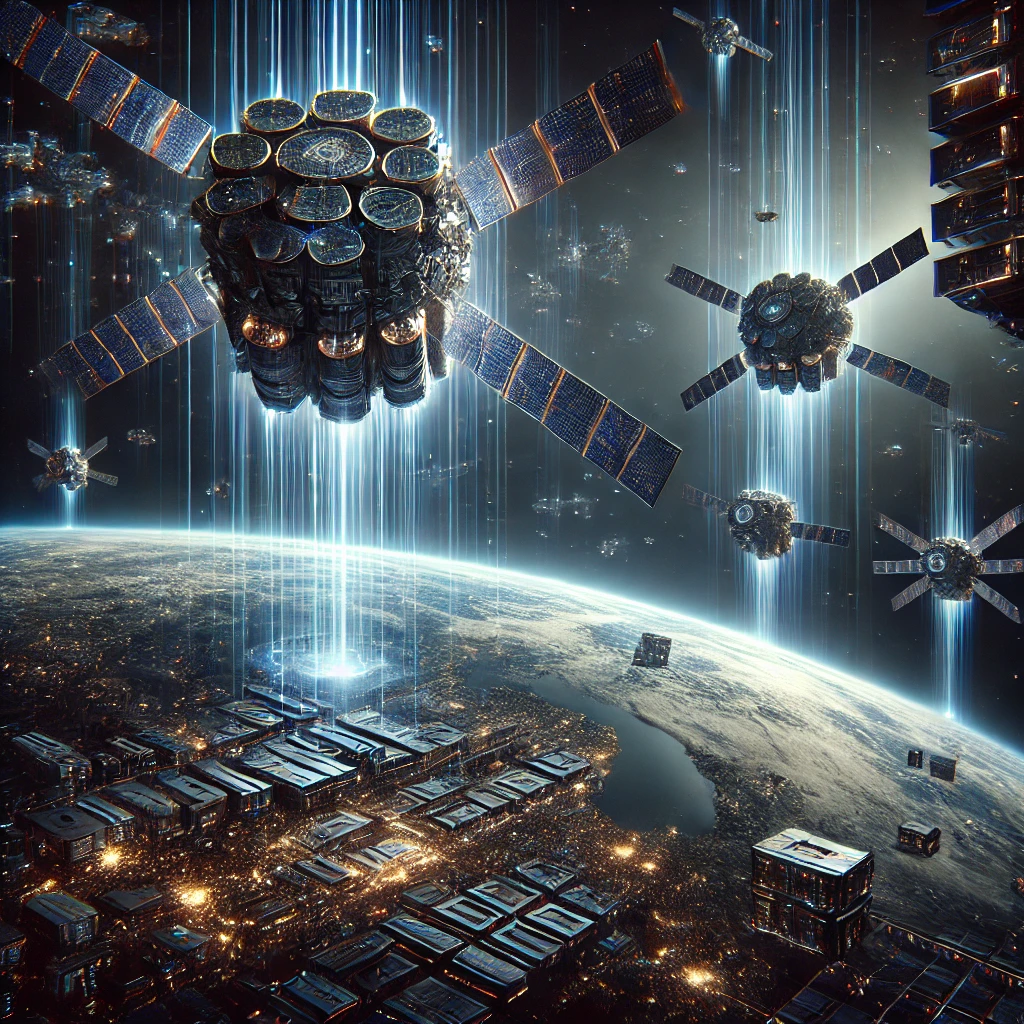
Resilience is one of Sky9’s most compelling strengths. Earth-based data centers remain vulnerable to natural disasters, large-scale power failures, and geopolitical instability. Orbiting data centers, by contrast, operate beyond these threats. As long as some ground stations remain operational, users could access their data from nearly anywhere on Earth. In extreme scenarios—where terrestrial infrastructure is severely damaged—Sky9 could function as a digital lifeboat, preserving access to humanity’s most critical information.
Is this vision achievable with today’s technology? Partially, yes. Modern satellites already support substantial onboard storage, solar-powered systems, and global communications. Power could be supplied by large solar arrays paired with advanced batteries, while future concepts include space-based nuclear or alternative energy systems. Although early storage capacity would be modest compared to Earth’s largest data centers, even hundreds of terabytes per satellite—scaled across thousands of units—quickly adds up. The primary barriers are economic and operational, not scientific.
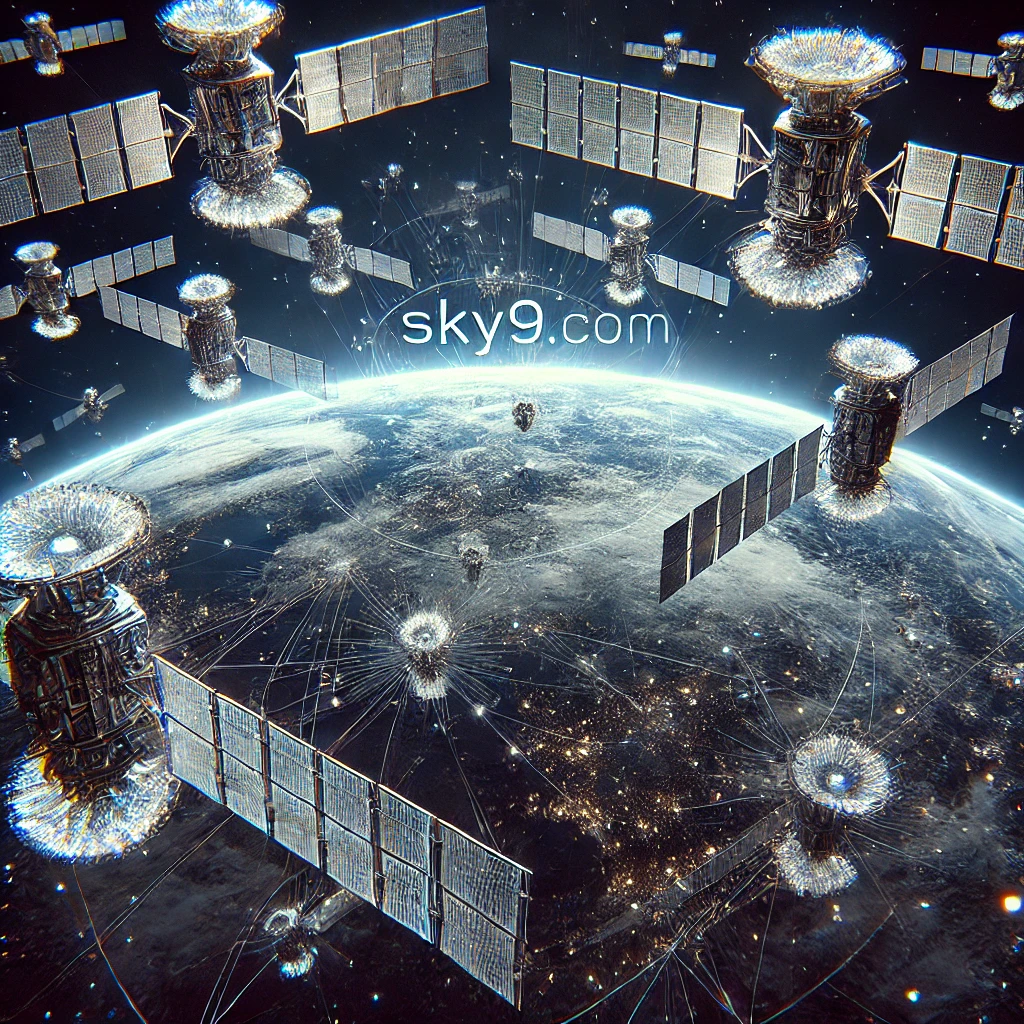
In the end, Sky9 represents a bold evolution in how humanity thinks about data, resilience, and innovation. While it may not replace terrestrial data centers overnight, it offers a powerful complementary model—one that transcends geography, politics, and natural disasters. For technology providers competing to define the future of digital infrastructure, the path forward may not be underground or overseas, but upward. Sky9 is not just about storing data in the sky—it is about redefining what the cloud can be.