-
Agentic Insolvency: When AI Agents, Machine Payments, and Delegated Contracts Collide with the Coming Crisis of Synthetic Liability

Introduction: The Agent That Spent Too Much Consider an ordinary trip that has quietly become extraordinary. On a recent four-day visit to Dublin, Ireland, I arrived on a Friday afternoon with a Saturday tour of the Guinness Storehouse already booked; the operator charged my credit card on the day of the visit rather than the day of the booking. A local taxi carried me across the Liffey and billed my card so smoothly that no receipt ever changed hands. On Sunday morning a three-hour farm excursion outside the city charged the same card at the moment the bus…
-
Inference Blockade: How the Post-Chip Sanctions Frontier Is Moving into Cloud Compute, Model Weights, APIs, and Autonomous Systems
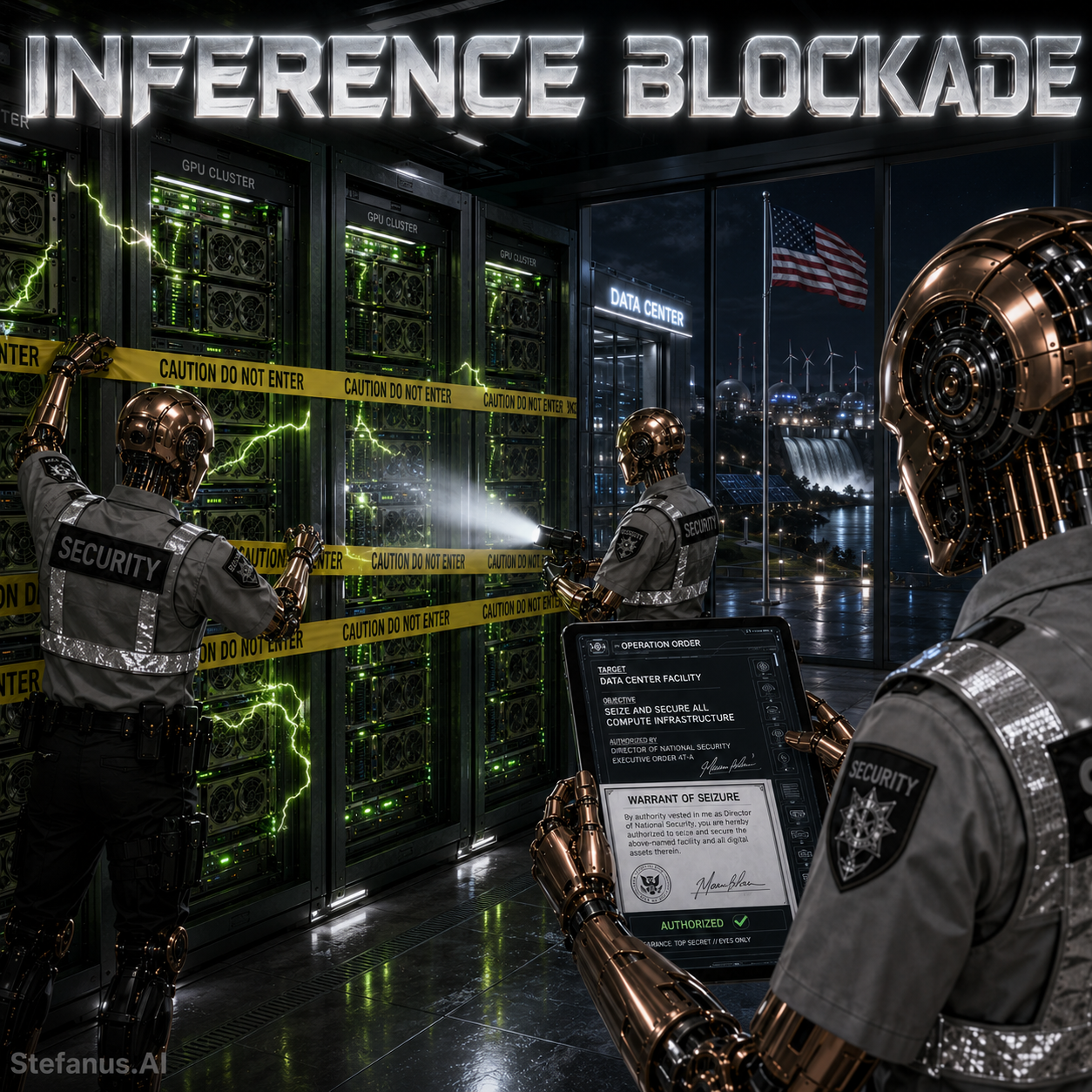
Introduction: The Border That Became a Login Imagine a customs officer standing beside a sealed container at a major port. Inside are racks of advanced accelerators, high-bandwidth memory, networking equipment, and cooling components. The officer can inspect the manifest, identify the exporter and consignee, compare serial numbers, and determine whether the shipment requires a license. This is the familiar architecture of export control. It is physical, documentable, and territorial. A product leaves one jurisdiction and enters another. The law follows the movement of the item. Now imagine a different transaction. The accelerators never leave an authorized data center…
-
Hybrid Island: When Hyperscale AI Campuses Evolve from Customers of the Electric Grid into Semi-Autonomous, Behind-the-Meter Hybrid Energy Systems

Introduction and the “Hybrid Island” Paradigm If you have ever driven a hybrid car such as a Toyota Prius on Los Angeles’s jammed, bumper-to-bumper Interstate 405 during rush hour—crawling south to north past LAX International Airport and The Getty Center or inching the other way at dusk—you will have noticed something quietly remarkable happening beneath your hands. The car exchanges power sources on its own. It slips from gasoline to electric mode in stop-and-go traffic, recaptures braking energy on the downhill grades, spins the combustion engine back to life on the climbs, and never once asks the driver…
-
Interconnection Capitalism: How Queue Positions, Substations, and Legally Deliverable Power Became the Core Assets — and the Contested Currency — of the AI Economy
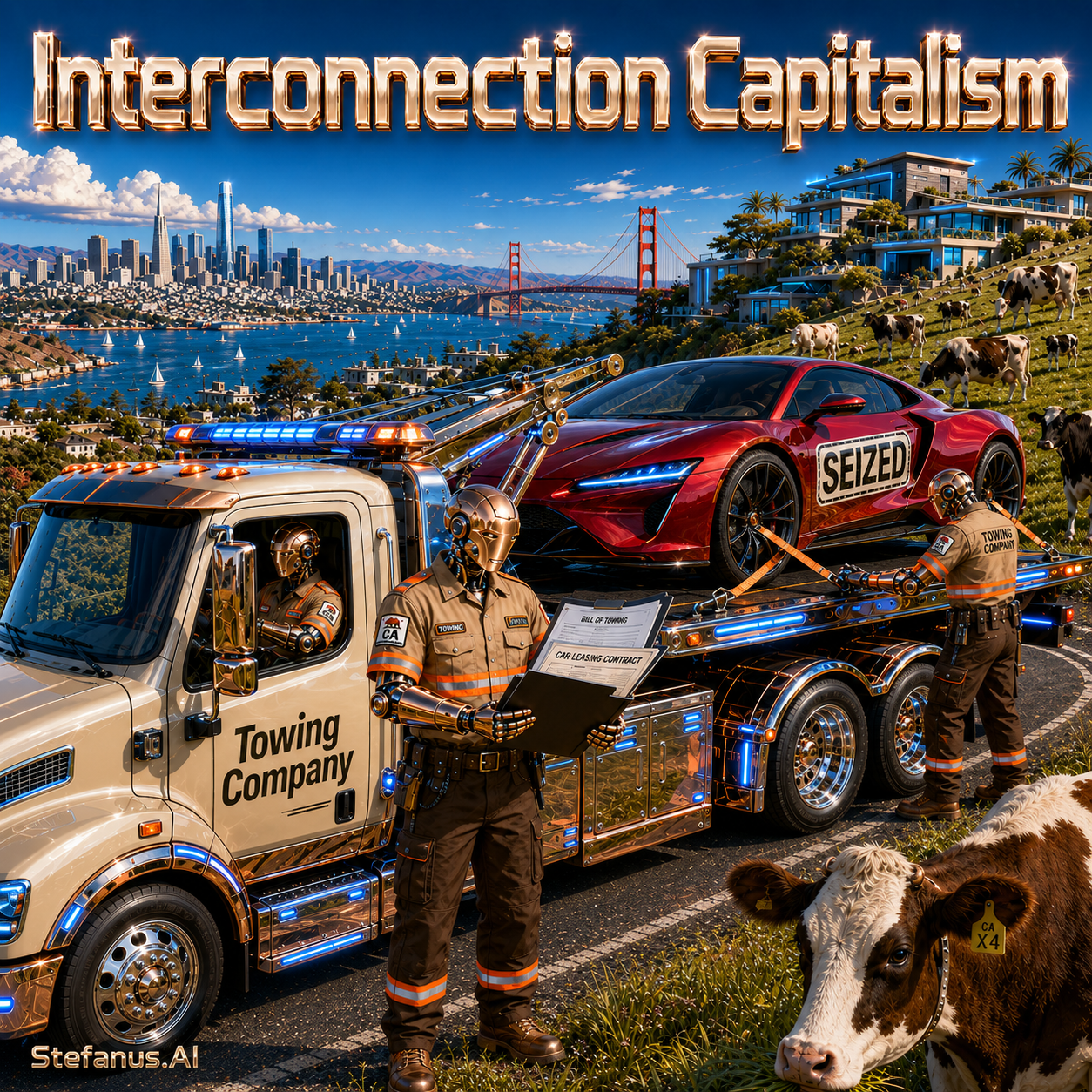
Introduction: The Sidewalk Repossession — An Analogy of Interconnected Defaults In mid-2022, in the months after regional COVID-19 restrictions lifted across California, a daily walk up a suburban hill offered a recurring fixture of the landscape: a high-end luxury sports car parked, permanently it seemed, in the same curb space. It never moved. Its paint gathered a film of coastal dust; its tires slowly settled into the asphalt. Then one morning, without ceremony, the vehicle was winched onto a flatbed operated by a regional recovery agent. Pressed against the driver-side window was a brightly colored, high-tack legal notice:…
-
Grid Afterlife: Unlocking the Hidden Value of Assets at Retired Industrial Sites — How Coal Plants, Nuclear Restarts, Shuttered Factories, and Federal Lands Became the Grid Anchors of the AI Economy
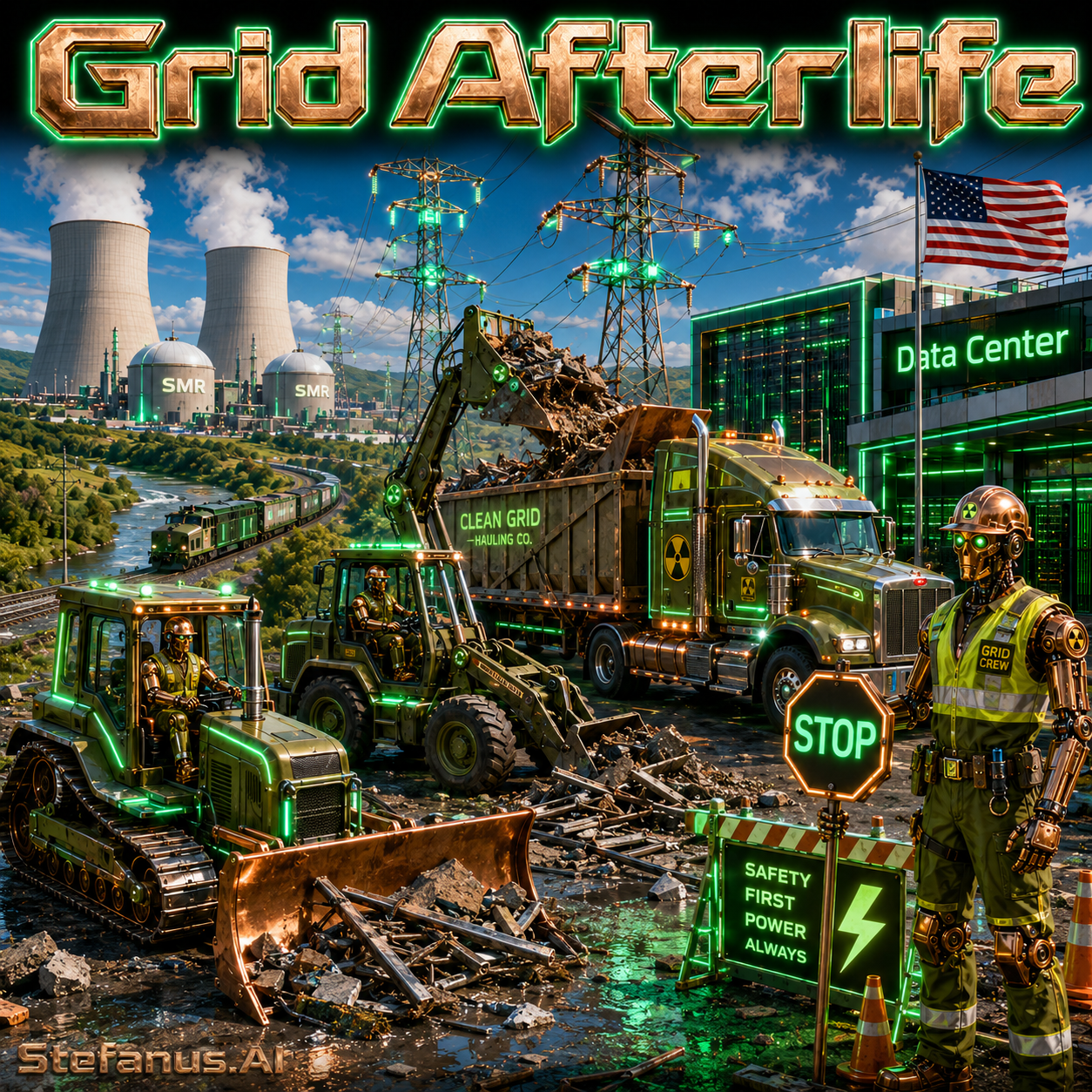
Introduction: The Billion-Dollar Ghosts In the spring of 2021, demolition crews brought down the last cooling tower of the Widows Creek Fossil Plant on the banks of the Tennessee River in Jackson County, Alabama, closing the book on six decades of coal combustion. To the untrained eye, what remained was a landscape of industrial wreckage — ash ponds under remediation orders, empty turbine halls, a scar of gray concrete against green Appalachian foothills — a liability whose environmental cleanup would consume millions of dollars before the land could plausibly be called useful again. Local officials braced for the…
-
Compute Customs: Enforcing AI Export Controls Through Post-Distribution Hardware Tracking, Cloud-Cluster Auditing, and the Mapping of Corporate Diversion Networks
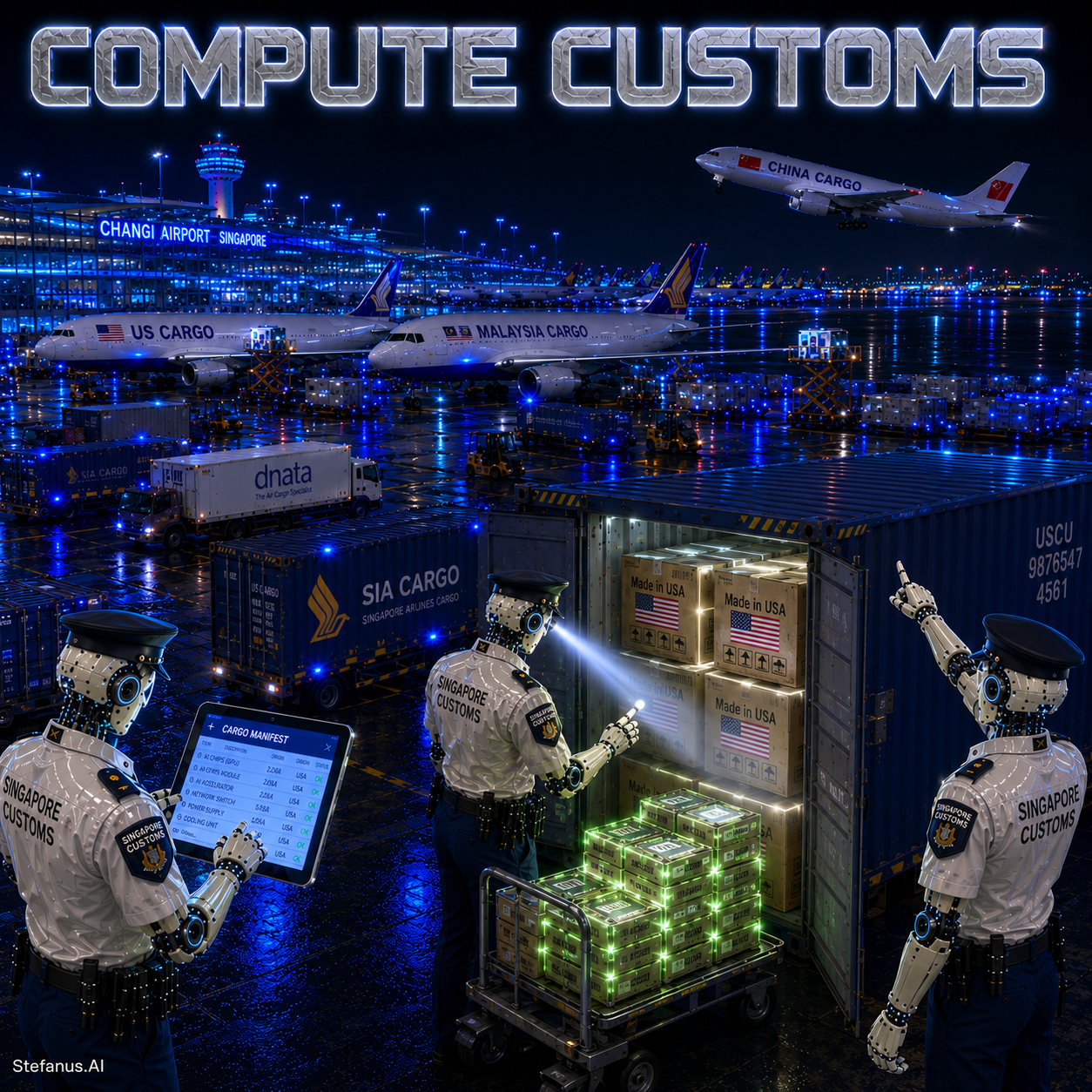
Introduction: The Day the Buyer List Was Cut in Half On July 14, 2026, Reuters carried a report, sourced to the Financial Times, that read like a quiet administrative notice but marked the arrival of a new era in technology governance: Nvidia, the world’s most valuable semiconductor company, had removed more than half of the Asian customers previously authorized to buy its advanced artificial-intelligence chips.[1] In their place stood a new internal “white list” of companies that had survived a dramatically tougher compliance regime — field inspections of customer data centers, contract verification, and interviews with end users…
-
Six Passports: Sovereign Jurisdiction, National Security, and the Fractional Nationality of Fragmented Machines — A Policy and Legal Framework for Governing the Layered Foreign Authority Embedded Inside Humanoid Robots

Introduction: The Port of Los Angeles Custom-House Clash (2028) Picture the scene, because within a very few years some version of it will occur. A shiny, state-of-the-art humanoid logistics robot stands motionless at the Port of Long Beach, California. It is part of a highly anticipated fleet deployed for the 2028 Los Angeles Olympic Games, designated to handle athlete logistics, public entertainment, and stadium security. The Games are weeks away. Television crews are already staging along the waterfront. And yet the machine cannot clear customs, because a U.S. Customs and Border Protection officer is locked in a heated…
-
Silicon Domicile: Why Every Advanced Accelerator Will Need a Verifiable Home, Beneficial Owner, Operator, and Workload
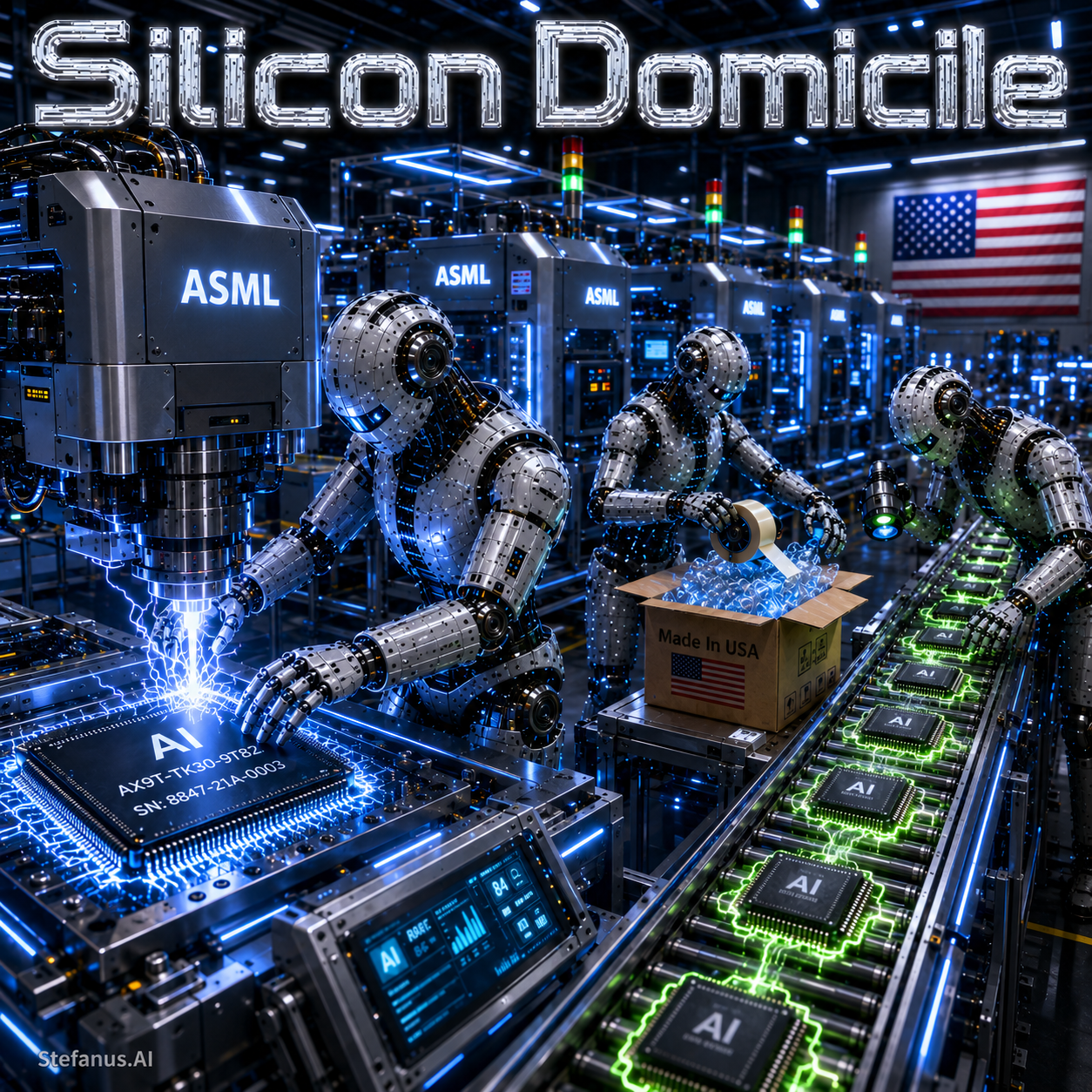
Introduction: Seventy-Two Crates at Kuala Lumpur At approximately 4:30 in the afternoon on June 5, 2026, officers of the Royal Malaysian Customs Department’s KLIA Enforcement Division opened a warehouse inside the Free Commercial Zone of Kuala Lumpur International Airport and found seventy-two server units that were not supposed to exist there. The shipping paperwork described the cargo, blandly and falsely, as “computer components.” The reality inside the crates was RM52.9 million — nearly US$13 million — worth of servers containing advanced artificial intelligence chips, flown into the free trade zone and staged for re-export to another country in…
-
Sky-Fiber Economy: Satellite Backhauls, Orbital Data Centers, and the Low-Earth-Orbit Foundation of Global AI and Autonomous Systems
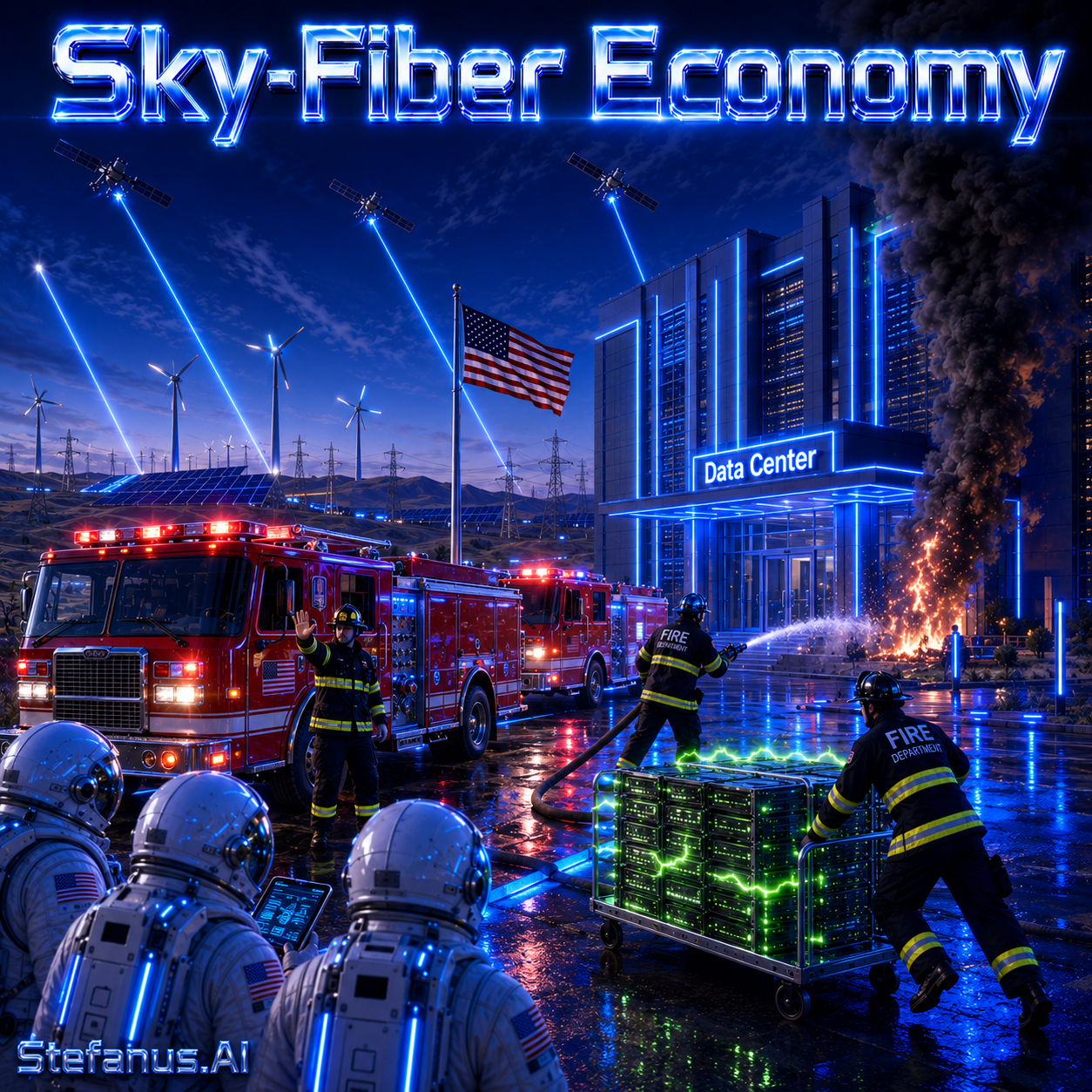
Introduction: The Ghost Fleet and the Desert Blackout – The Birth of the Sky-Fiber Economy Every infrastructural revolution has a moment when the abstraction becomes visible – when a technology that had been quietly maturing in filings, white papers, and demonstration missions is suddenly thrust into the foreground by events too large to ignore. For the transatlantic telegraph it was the exchange of messages between Queen Victoria and President Buchanan in 1858. For the internet itself it was the commercial explosion of the mid-1990s. For the Sky-Fiber Economy, that moment arrived in the first weeks of 2026, delivered…
-
Surplus Inference: How Hyperscalers Monetize Overbuilt AI Infrastructure — and Why the Structural Lifecycle of Excess Compute Is Collapsing the Price of Intelligence
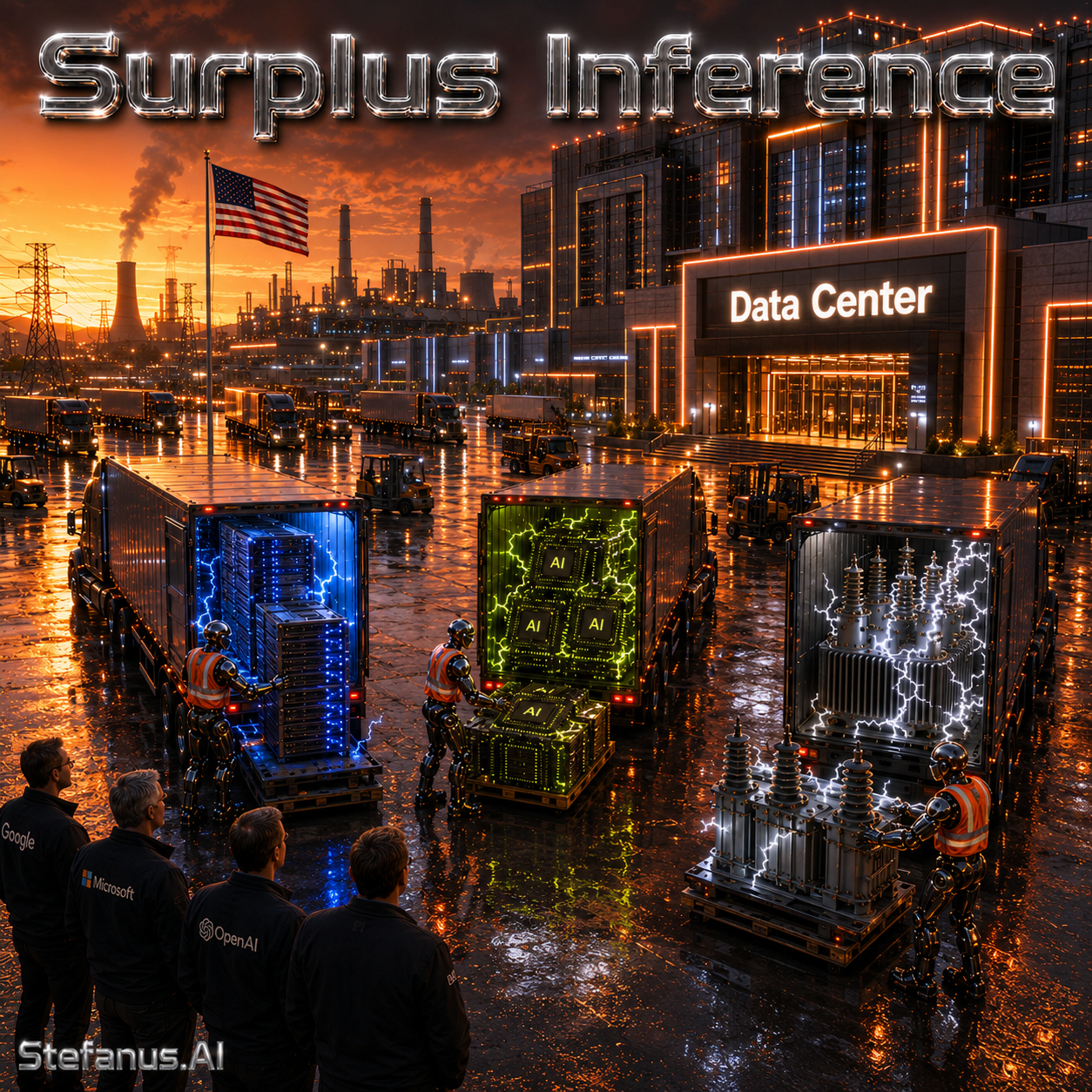
Introduction: The IPO That Rented Out Its Overbuild In mid-2026, Elon Musk’s newly consolidated SpaceX — freshly merged with his artificial intelligence company xAI in an all-stock transaction that CNBC described as the largest private merger in history, valuing the combined aerospace-and-AI entity at $1.25 trillion — sat on the precipice of a historic, record-breaking initial public offering on the Nasdaq.[1] For months, Wall Street analysts had warned that the staggering capital expenditures poured into building frontier artificial intelligence systems were inflating a historic, potentially unsustainable bubble. Critics pointed directly to the company’s massive Colossus data center ecosystem…
-
One Industrial System: The Five-Layer AI Economy, the Collapse of the Modular Tech Stack, and the Rise of the Vertically Integrated Intelligence Machine
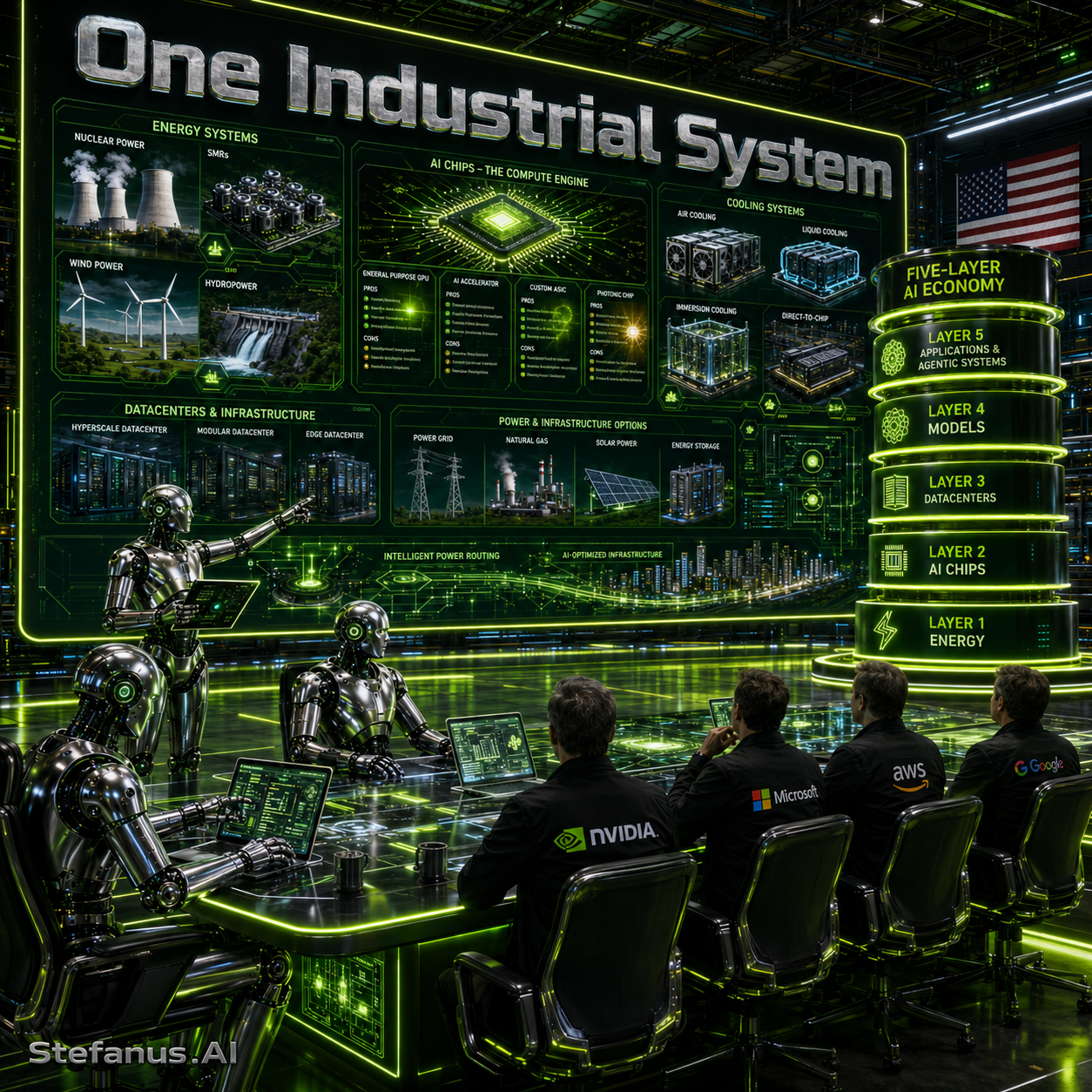
Introduction: The Weaver’s Loom of the 21st Century In the early nineteenth century, the city of Lowell, Massachusetts, became the cradle of the American Industrial Revolution by introducing a radical concept: the integrated textile mill. Before Lowell, the manufacturing of cloth was a fractured, modular affair. One merchant bought raw cotton; another cleaned it; a separate cottage spinner spun it into yarn; a distant weaver turned it into fabric; and a final finishing shop dyed, pressed, and packaged the cloth. Each participant optimized his own narrow step, traded with the others across open markets, and remained blissfully indifferent…
-
AI Infrastructure Boom: Navigating Overcapacity Risk, Stranded Compute, and the Coming Secondary Market for Machine Intelligence
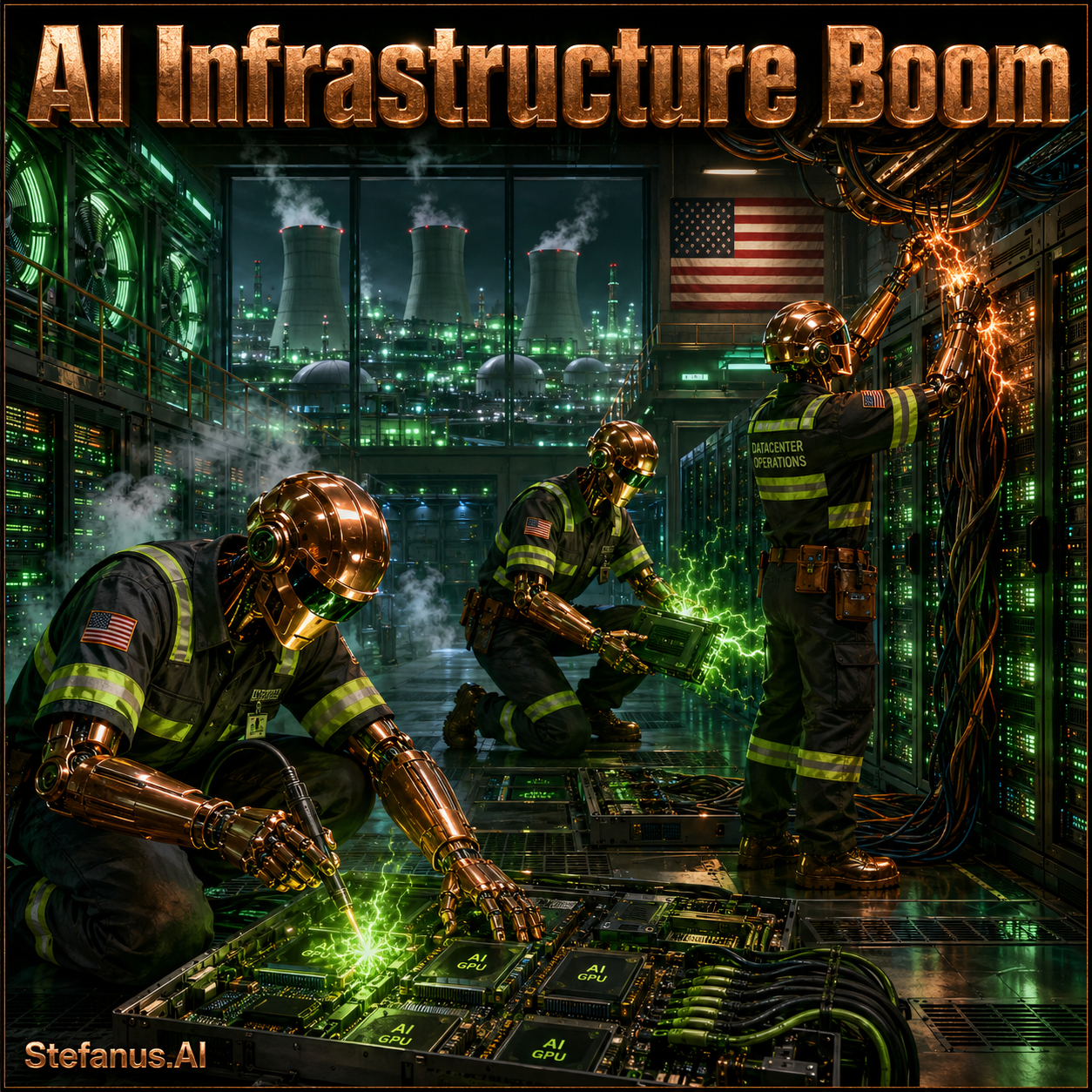
Introduction: Driving the Next Industrial Wave — The Ghost of Webvan and the Prophecy of Premature Infrastructure In 1999, at the feverish height of the dot-com era, an ambitious startup named Webvan promised to revolutionize the grocery industry by delivering food straight to consumers’ doors. The company was not a fly-by-night operation staffed by dreamers; it was backed by the most sophisticated venture capital firms of its generation, championed by celebrated executives, and armed with what was, at the time, one of the most aggressive infrastructure programs ever attempted by a private consumer company. Webvan raised hundreds of…
-
Silicon Laundering: How AI Chip Smuggling, Transit Jurisdictions, Hidden GPU Clusters, and the Race for Compute Provenance Are Rewriting Export Control
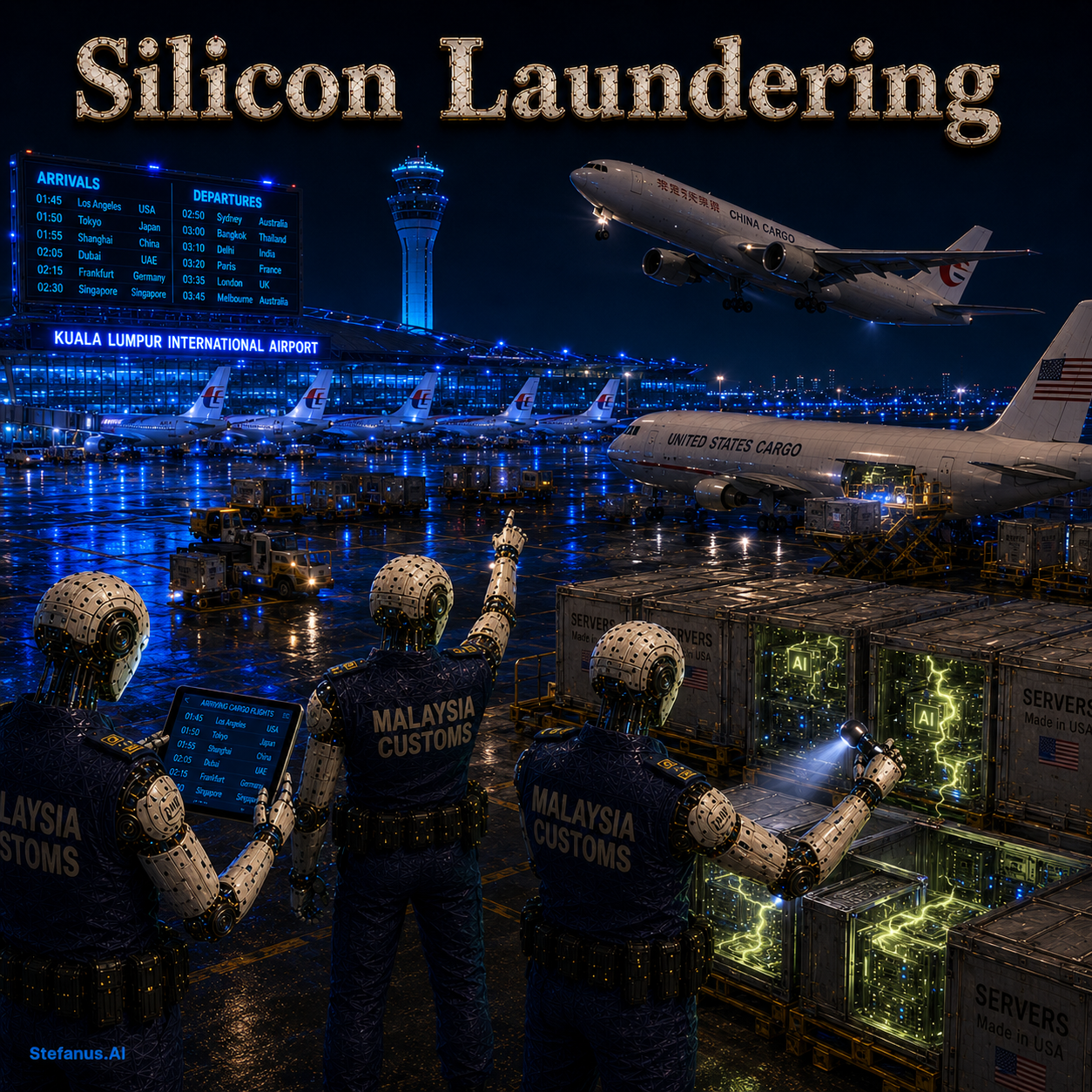
Introduction: A Customs Officer Opens a Box at Kuala Lumpur International Airport In early June 2026, long before most people finished their morning coffee in Kuala Lumpur, a shipment moved quietly through the Free Trade Zone of Malaysia’s main international airport. On paper, the cargo looked entirely ordinary: computer components, server equipment, electronics passing through one of Asia’s busiest logistics corridors. It did not arrive with the drama of a spy novel. There were no submarines, no diplomatic pouches, no secret meetings in hotel rooms. There were only pallets, invoices, airway bills, customs forms, and the familiar language…
-
Epistemicide: Geopolitical Consequences of AI Fragmentation and Epistemic Hegemony — When Nations Import Intelligence, They May Also Import Reality

Introduction: The Seoul Subway Platform On a Seoul subway platform in the early 2000s, the signs of a new linguistic age were everywhere. A teenager texted her friend about a weekend “meeting,” not in the old Korean sense of a gathering, but in the Konglish sense of a social date. A cosmetics advertisement promised a “premium” lifestyle. A café promoted “take-out,” a department store displayed “sale,” and a mobile carrier advertised the newest “smart” service for young consumers who wanted speed, style, and modernity. None of these words felt foreign to the teenager. They were simply part of…
-
Algorithmic Realism: Strategic Autonomy, Export Controls, and the Fragmentation of the Digital Frontier — A Study in the Geopolitics of Artificial Intelligence, Compute Sovereignty, and the New Technological Order
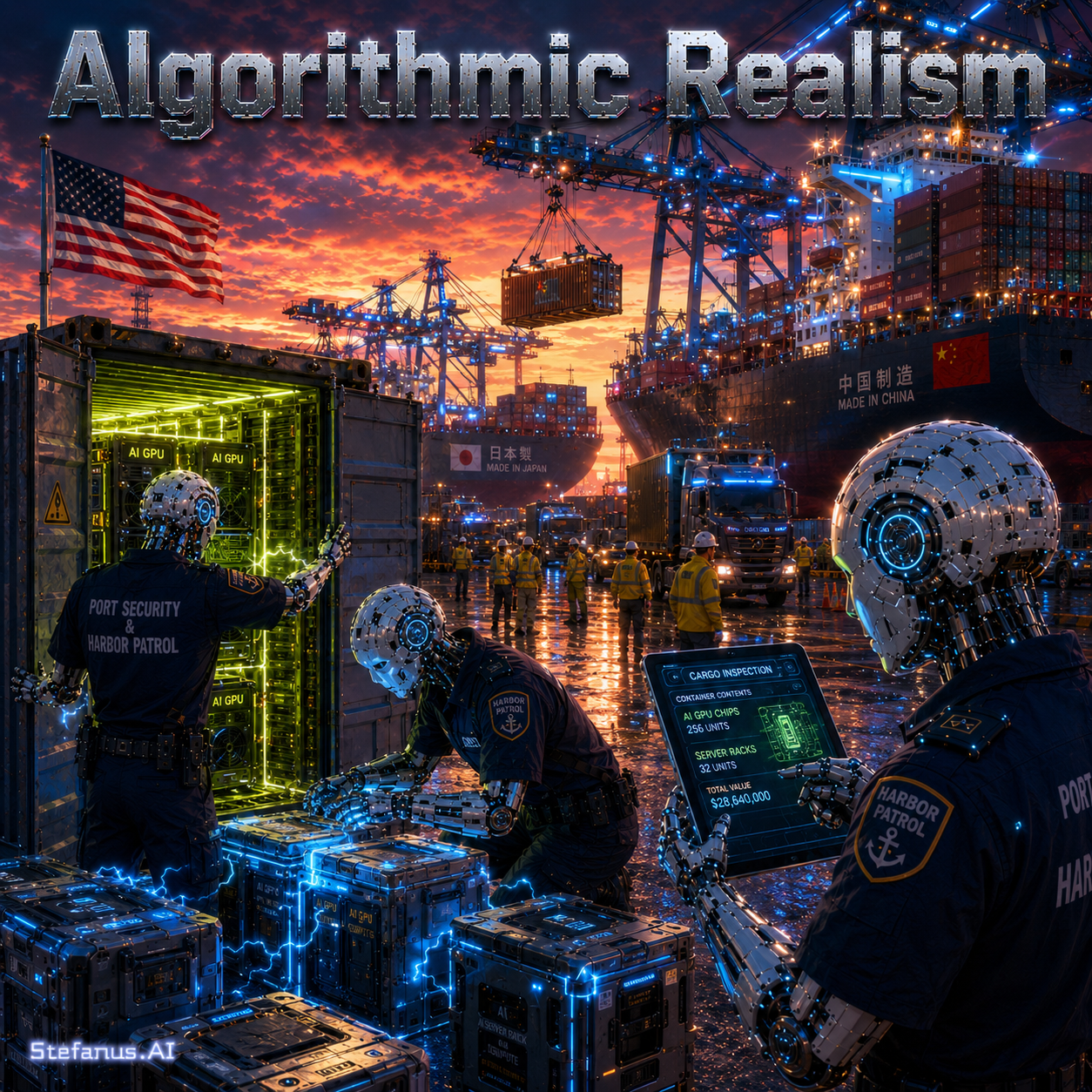
Introduction: The Death of the Borderless Algorithm On May 28, 2025, buried in the routine language of a quarterly earnings release, NVIDIA — then, as now, the most valuable company ever built on the sale of arithmetic — disclosed a single accounting item that captured the end of an era. The company recorded a $4.5 billion charge for excess inventory and purchase obligations on its H20 processor, a chip that had been deliberately engineered downward, hobbled by design, to squeeze beneath the performance thresholds of American export controls so that it could still legally be sold to China.…
-
AI Nationalism: How the Anthropic Export-Control Crisis Exposed America’s Doctrine of Sovereignty, Self-Reliance, and Technological Containment
Introduction: At 5:21 p.m. Eastern Time on Friday, June 12, 2026, a letter arrived at Anthropic’s San Francisco headquarters that would, within hours, sever hundreds of millions of people around the world from the most capable commercial artificial intelligence models ever released to the public [1][2]. The letter came from Commerce Secretary Howard Lutnick, addressed to Anthropic’s leadership, and it instructed the company to suspend, immediately and without exception, all access to Claude Fable 5 and its more capable sibling Claude Mythos 5 by any foreign national anywhere in the world, including foreign-born Anthropic employees working inside the…
-
Model Geopolitics: State Power, Export Controls, and the Reordering of Sovereignty at the Frontier of Artificial Intelligence — A Framework for Understanding the Fable/Mythos Precedent and the New Politics of Compute
Introduction: The Sovereign Collision at the Frontier On the evening of Friday, June 12, 2026, at 5:21 p.m. Eastern time, a letter arrived at Anthropic’s San Francisco headquarters that would come to mark a turning point in the relationship between the American state and the American AI industry. The letter, sent under the authority of the Bureau of Industry and Security at the Department of Commerce, ordered Anthropic to suspend all access to two of its most capable systems — Claude Fable 5 and Claude Mythos 5 — for every foreign national anywhere in the world, including Anthropic’s…
-
Ratepayer Backlash: How AI Data Centers Shift Grid Costs to Local Households — The New Political Economy of AI Infrastructure — Utility Bills, Tax Incentives, Power-Grid Readiness, and the Local Politics of Who Pays
Introduction: The Month the AI Bill Arrived On the last day of June 2026, a heat wave settled over the Mid-Atlantic and pushed electricity demand across the PJM Interconnection toward an all-time record. PJM, which coordinates the wholesale grid for sixty-seven million people across thirteen states and the District of Columbia, warned that peak load could surpass the 166,000-megawatt mark, eclipsing a record that had stood since 2006 [1]. As the heat intensified, wholesale power prices in Virginia’s Dominion zone, the heart of the nation’s data-center corridor, leapt past $1,500 per megawatt-hour, and average day-ahead prices at PJM’s…
-
Political Economy of Compute: Concrete, Copper, and Code — Applying a Five-Layer AI Economy Framework to Read and Advise on the Pro and Contra Talking Points of Candidates Running for the United States Congress and Senate, Midterm Election, November 2026
Introduction: The New Industrial Race There is a quiet, almost unremarked irony sitting at the center of the artificial intelligence boom of the middle 2020s. The most valuable companies in the history of capitalism, firms whose products are made of language, pixels, and probability distributions, have discovered that their destiny is no longer decided in a research lab or a software sprint. It is decided in a permitting office in Loudoun County, on the floor of a turbine factory in Greenville, South Carolina, in a queue for grid interconnection that can run five years long, and in a…
-
Energy Constraints: The Grid Collision — How AI Infrastructure, Rising Power Costs, and 2026 Midterm Politics Are Rewriting America’s Power Equation
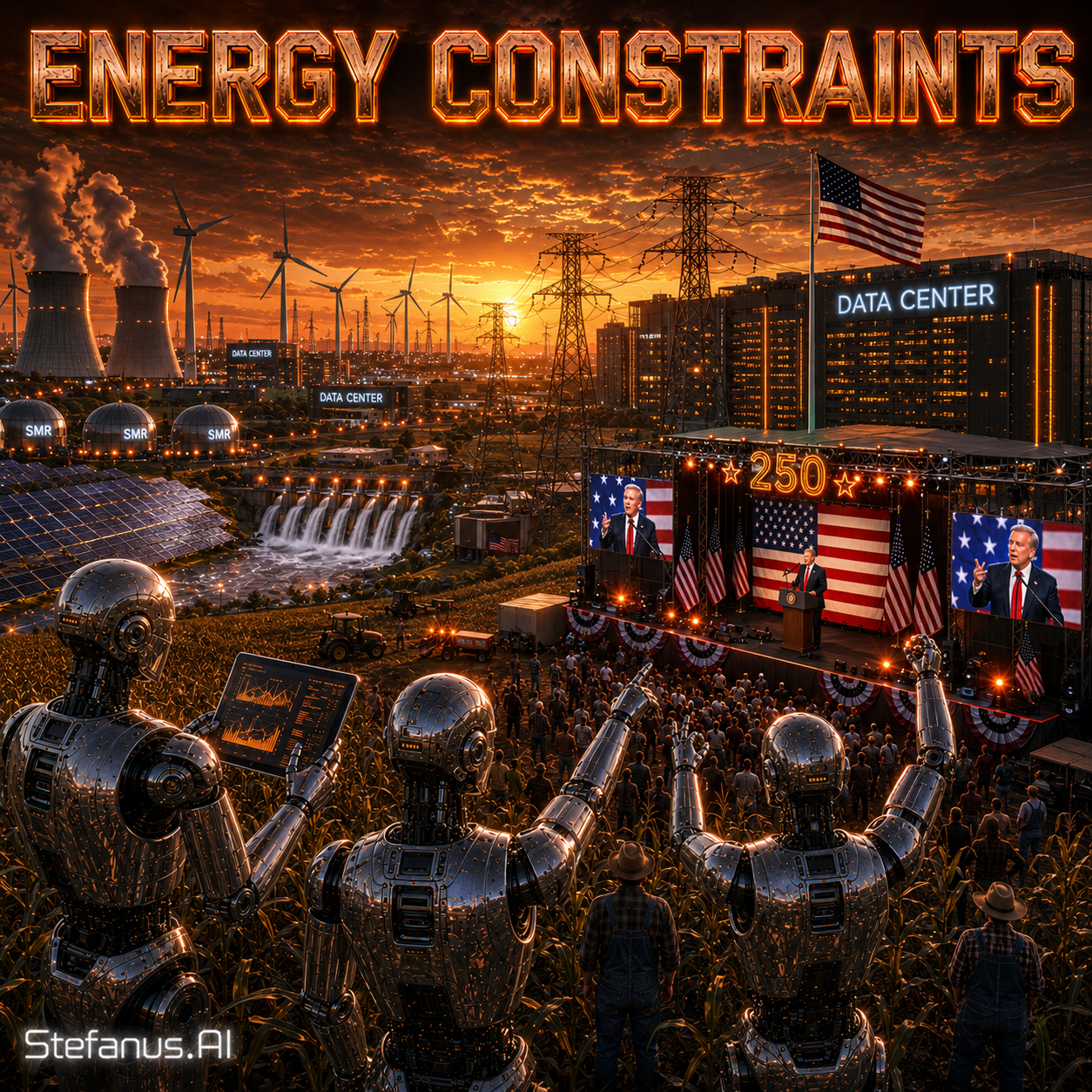
Introduction: Why Energy Constraints On an ordinary American evening, the power grid feels invisible. A family turns on the air conditioning. A small business keeps its lights on. A hospital runs its imaging machines. A school charges laptops for the next morning. Somewhere else, behind a security fence, a new data center begins pulling electricity with the calm continuity of an industrial furnace. The building does not look dramatic from the highway. It may look like a warehouse, a logistics facility, or a low-slung concrete box with backup generators and cooling equipment. Yet inside that box, the new…
-
Systemic Implications of AI: Mapping the Geopolitical Battlegrounds of Compute Infrastructure, the 2026 Capex Supercycle, and the Looming Capital Drain — Compute as the Ultimate Geopolitical Asset, and the Anatomy of Capex Anxiety
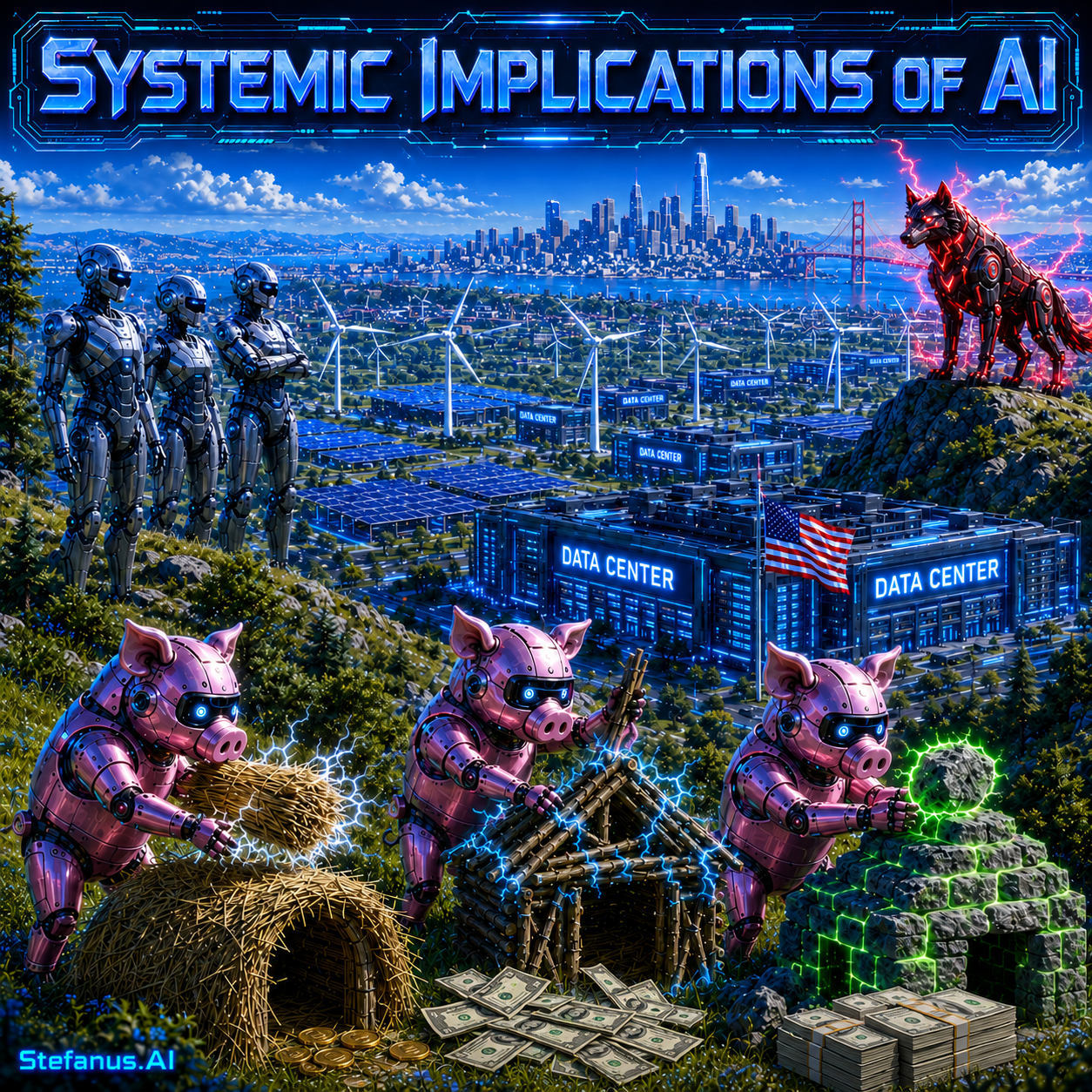
Introduction: The Three Houses and the Hungry Wolf When I first sketched the outline of this paper, my mind drifted, unexpectedly, to the oldest of children’s parables: The Three Little Pigs. Three brothers leave home to seek their fortunes, and each builds a house to shelter against a hungry wolf. The first pig, prizing speed and thrift above all, throws up a house of straw; the wolf huffs, puffs, and levels it in a breath. The second pig, a touch more prudent but still unwilling to spend, builds in sticks—cheaper materials, faster construction—and his house, sturdier than the…
-
Training Economy: The Capital Supercycle, the Bottlenecks, and the Pivot to AI Production — A Macroeconomic Analysis of the Trillion-Dollar CapEx Cycle and the Infrastructure Realities of the Artificial Intelligence Arms Race
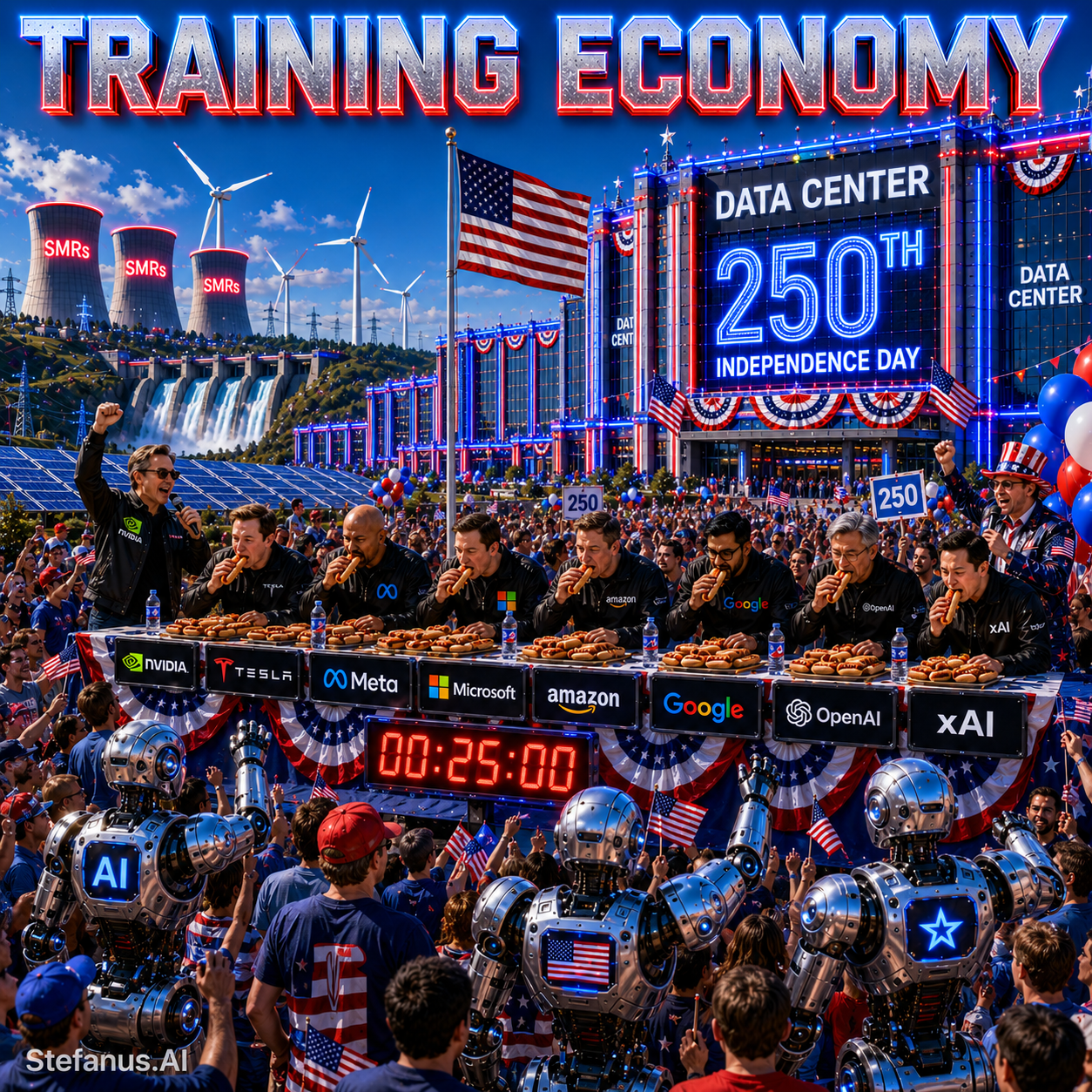
Introduction: The Peg Is Bigger Than the Pole There is an old proverb — “the peg is bigger than the pole” — that captures, with rural economy, the precise unease now hanging over the most expensive industrial undertaking of our era. Rendered into the idiom of finance, it means simply this: to spend more than you earn; to let the supporting structure cost more than the house it was meant to hold up. For most of the modern history of the technology industry, the great software franchises were celebrated precisely because they inverted that proverb. Their pegs were…
-
Intelligence Estates: The Evolution from Industrial Parks and Technology Parks to AI Infrastructure Ecosystems
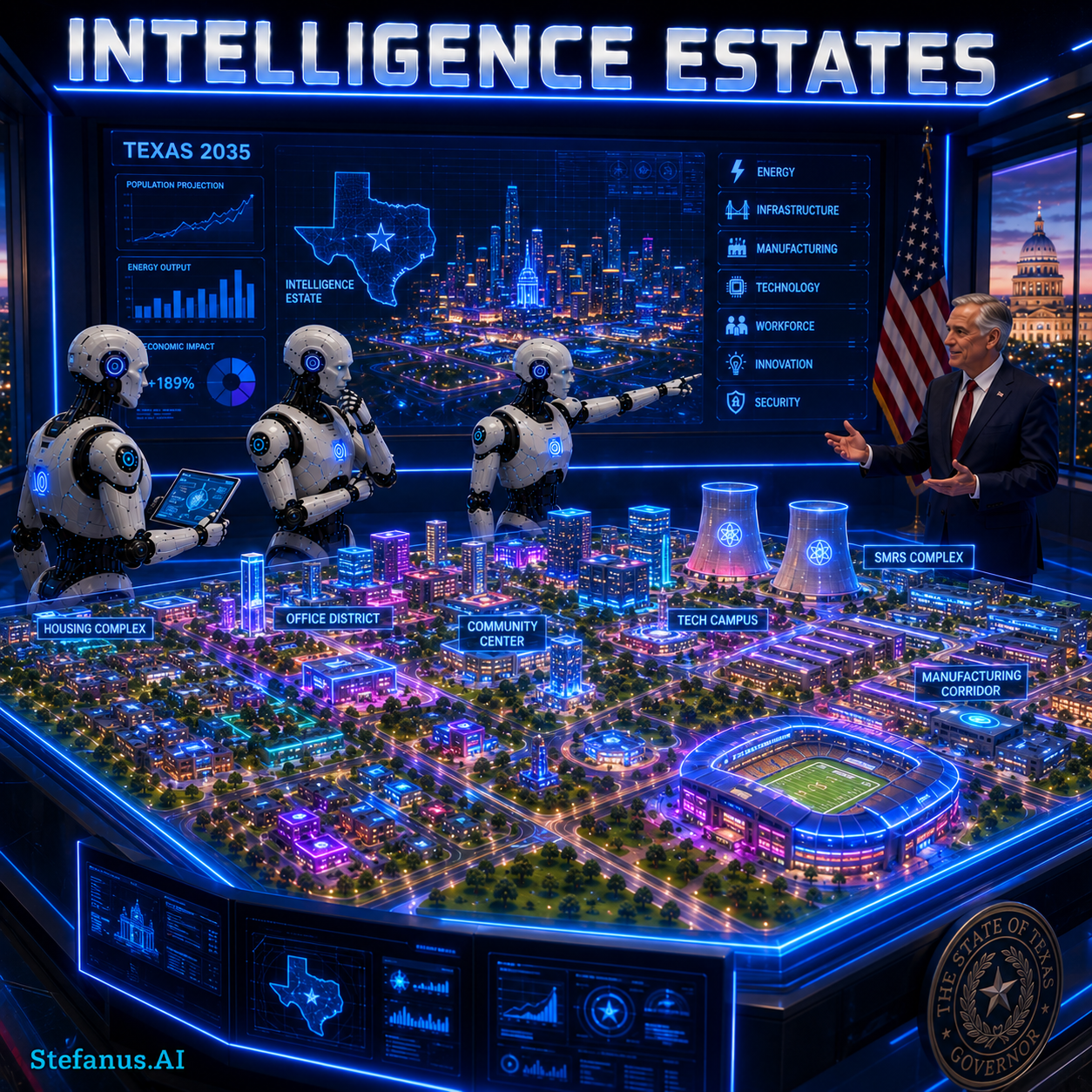
Introduction: Intelligence Estates — The Next Evolution of Economic Geography Every serious student of economic development eventually arrives at the same uncomfortable realization: the map matters as much as the machine. The technologies that define an age are never evenly distributed. They cluster. They concentrate. They cohere into particular places, and those places, in turn, organize the wealth, the talent, and the political power of their era. I first encountered this idea not as an abstraction but as a set of physical drives across Los Angeles. As a graduate student at the University of Southern California in the…
-
Economic Automation: The Great Transition from Digital Intelligence to Autonomous Economic Systems
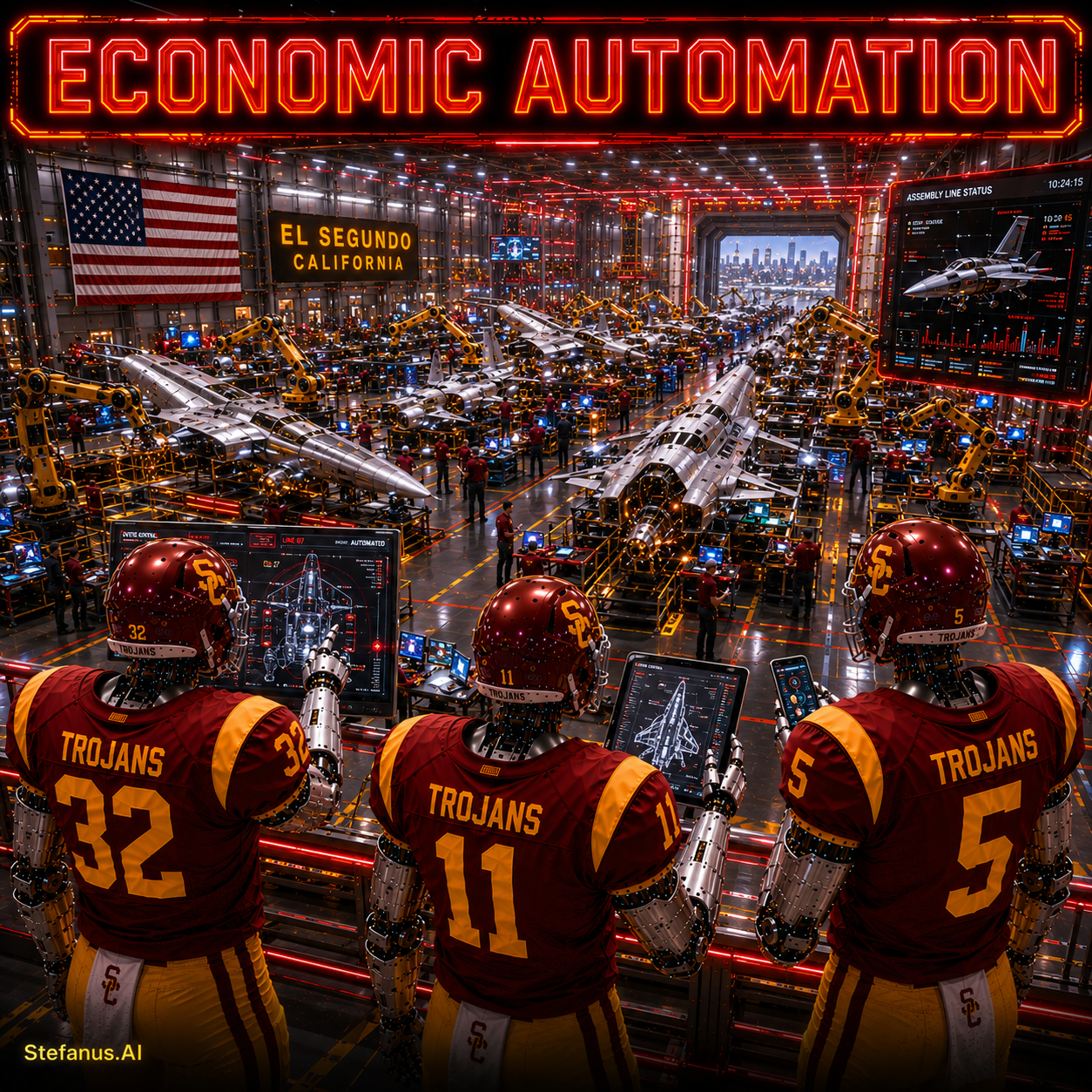
Introduction: Every general-purpose technology arrives twice: first as an invention confined to laboratories and screens, and then—often a decade or more later—as an operating principle woven into the physical machinery of production. The story of the modern economy is largely the story of that second arrival. It is worth beginning with the network that made all of this possible, because the lineage matters. The foundational connection that became the Internet was forged in 1969 when the ARPANET linked a small constellation of research campuses, and regional networks soon bridged the University of Southern California—my alma mater—with neighboring institutions…