Author: Dr. Stefanus Hadi, Ph.D.
-
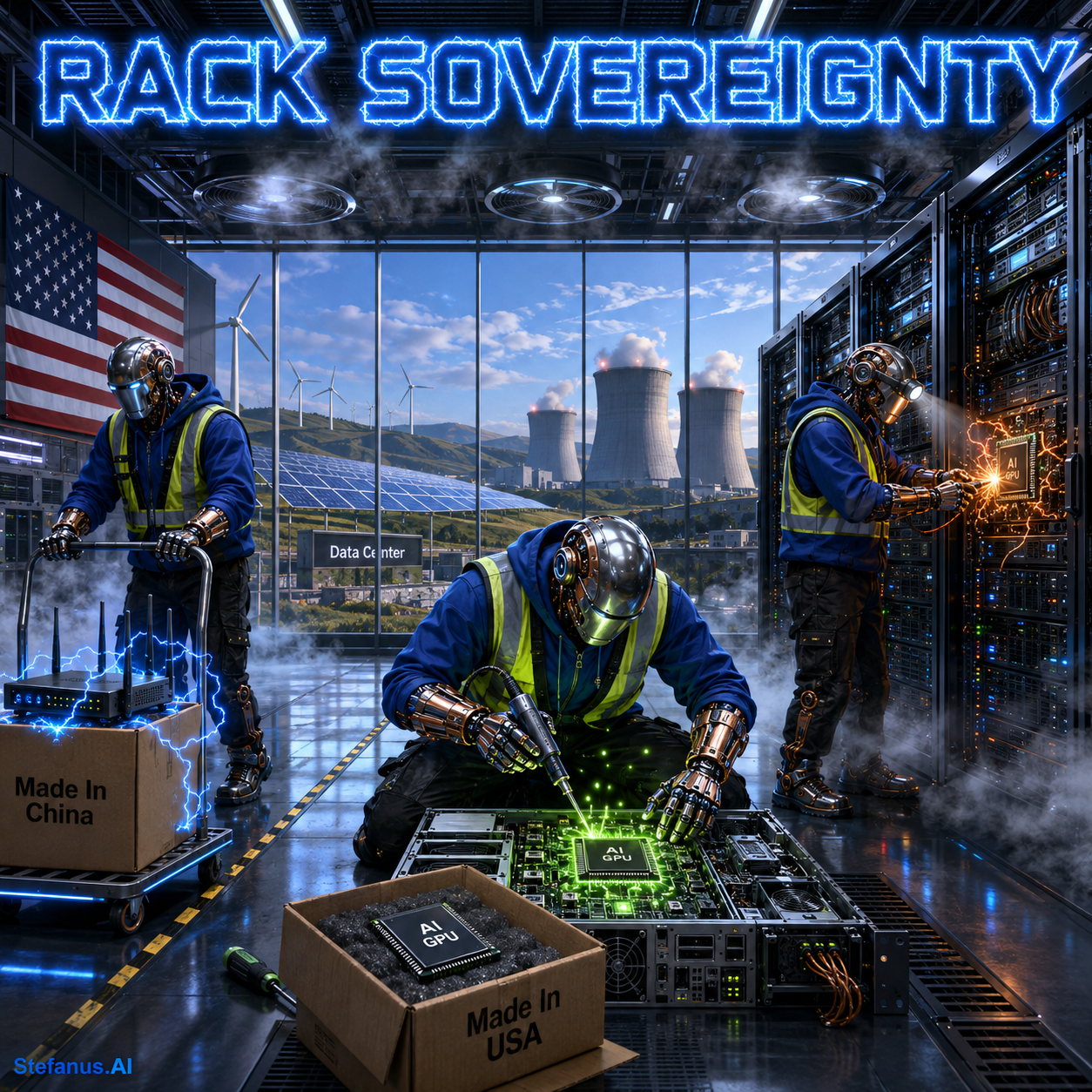
Rack Sovereignty: How the U.S.–China Technology Conflict Is Moving Beyond GPUs into Optical Transceivers, Routers, Inverters, Robots, and the Physical Anatomy of the AI Datacenter
Introduction: The Small Component Inside the Giant AI Factory In early August 2026, the next chapter of the U.S.–China artificial-intelligence conflict appeared in an unlikely place. It was not another Nvidia GPU, another semiconductor fabrication plant, another frontier model, or another billion-dollar AI investment. It was an optical transceiver: a comparatively small piece of equipment, often no larger than a thumb drive, that turns electrical signals into light and allows enormous quantities of data to move between servers, switches, and computing racks at nearly the speed of light. On August 4, 2026, Reuters reported that…
-
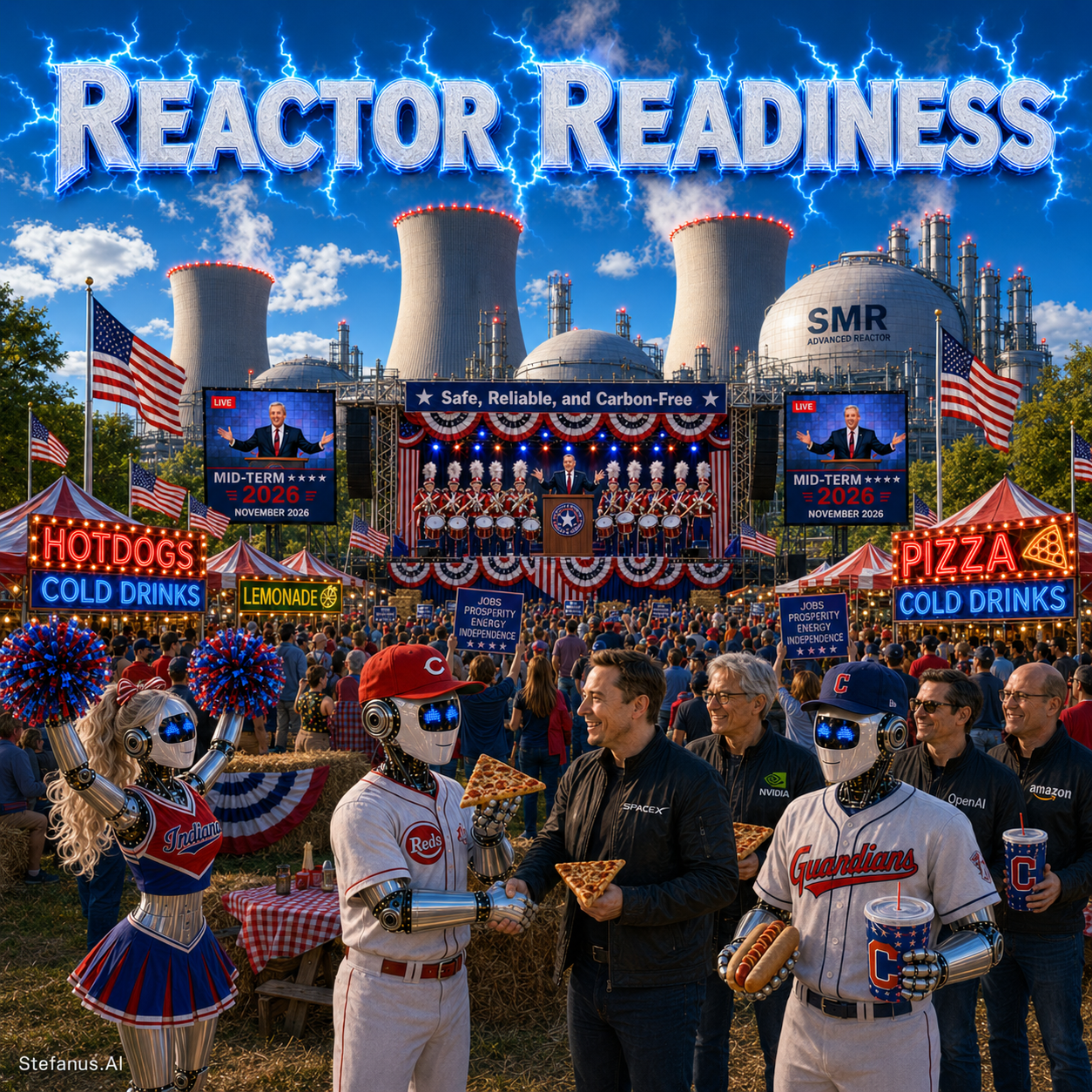
Reactor Readiness: How States Are Preparing Communities, Grids, and Supply Chains for Advanced Nuclear Before the AI Data Center Even Arrives
Introduction: Preparing the Ground Before the Reactor — or the AI Factory — Appears One of the more consequential nuclear-energy developments of 2026 did not begin with a reactor vessel, a cooling tower, a hyperscale data center, or a multibillion-dollar construction announcement. It began with something much less dramatic: a state government creating a way for ordinary communities to say, in advance, we are preparing ourselves for nuclear energy. In July 2026, Indiana Governor Mike Braun announced the launch of the Indiana Advanced Nuclear Ready Community program, administered by the state’s Office of Energy Development…
-
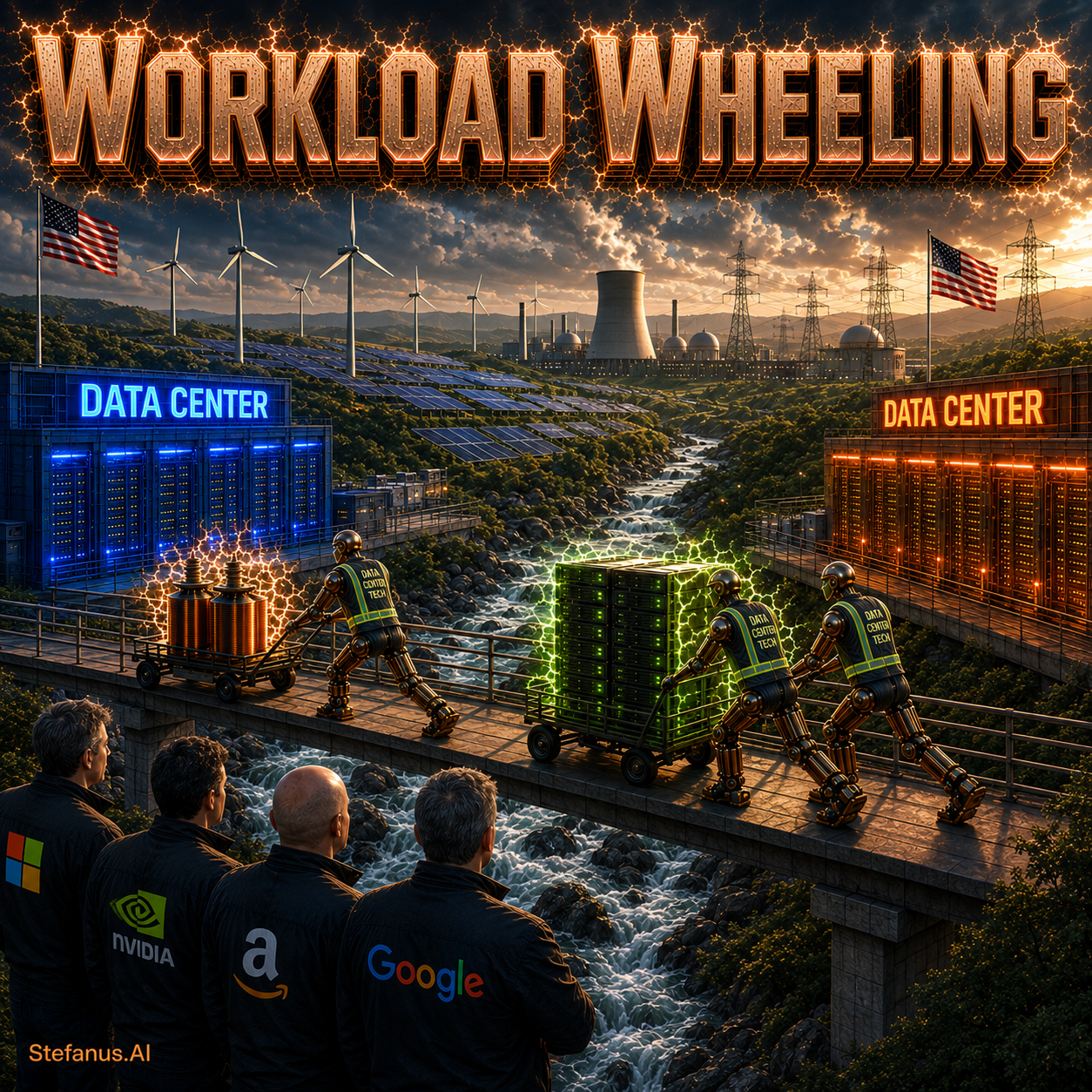
Workload Wheeling: When Artificial Intelligence Moves Between Data Centers to Follow Available Electricity Instead of Waiting for the Power Grid
Introduction: What If We Move the AI Instead of the Electricity? On August 13, 2026, two developments appeared in the same news cycle that, taken together, illustrated a fundamental change now taking place in the relationship between artificial intelligence and the electric power system. Neither development, read in isolation, would have seemed extraordinary. One was a story about cloud-computing architecture; the other was a story about utility regulation. But when the two are placed side by side, they describe the same infrastructure problem from opposite directions — and the space between them is where this…
-
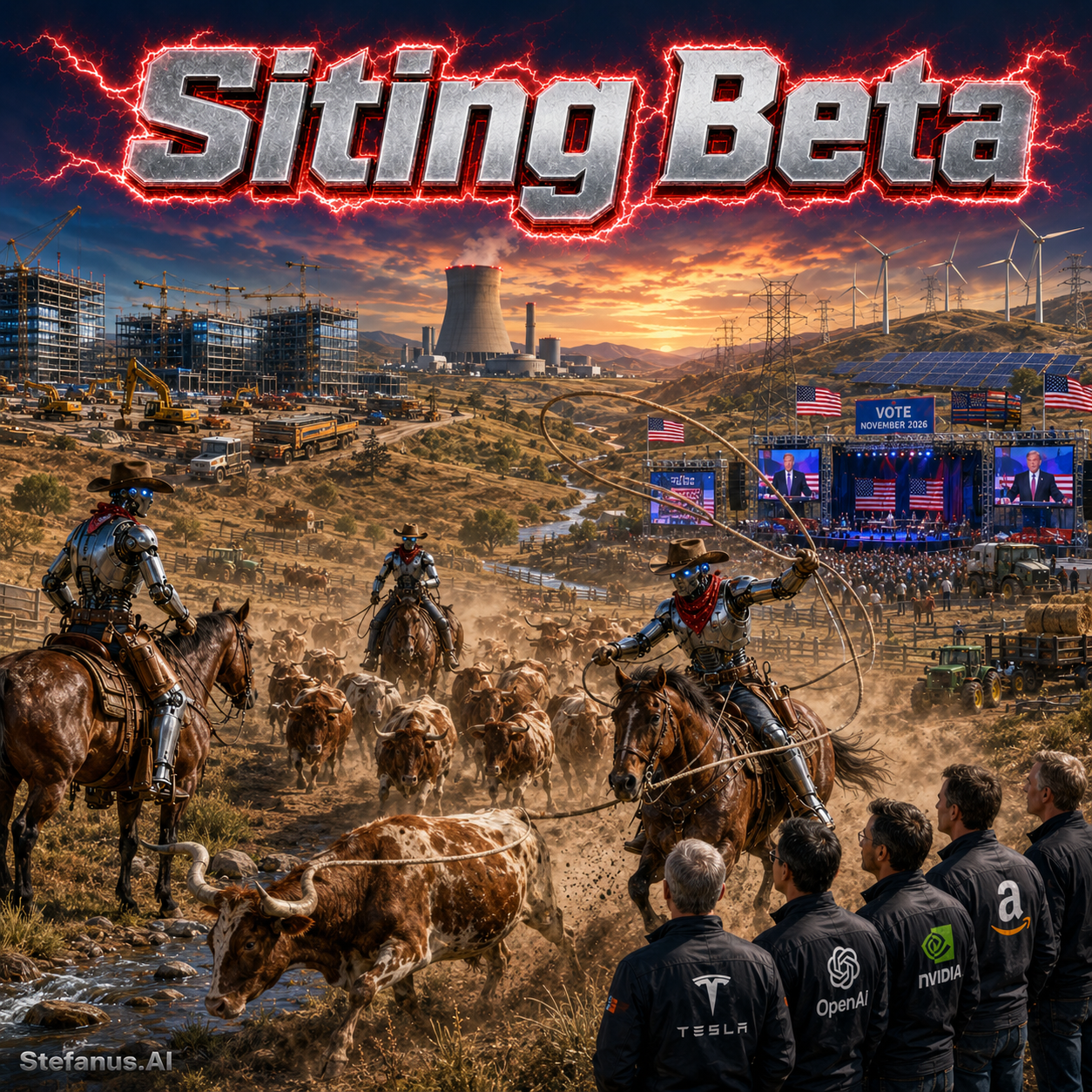
Siting Beta: How Permitting, Power, Water, Noise, Elections, and Community Opposition Are Repricing AI Infrastructure
Introduction: When a Data Center Becomes an Election Issue — The New Political Risk Around AI Infrastructure On July 23, 2026, something happened in Henderson County, Texas, that would have been almost unthinkable two years earlier. A major data-center developer, Diode Ventures, formally withdrew its proposal to build a large, high-density AI facility near Cedar Creek Lake — not because it ran out of capital, not because it could not find a tenant, and not because the chips it planned to install had become obsolete. It withdrew because the project had failed a political test.…
-
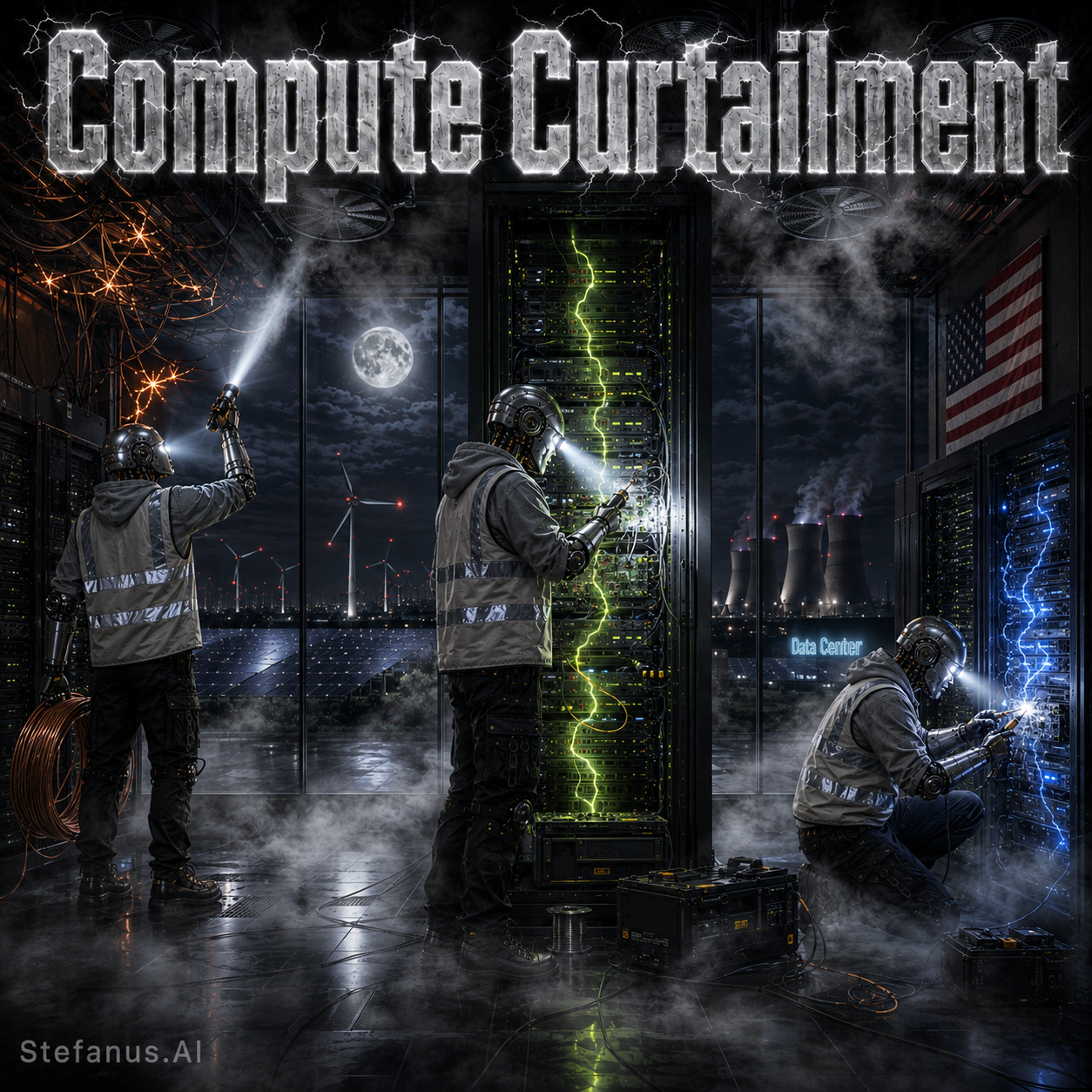
Compute Curtailment: When AI Datacenters Become Interruptible Industrial Loads — and the Power Grid Starts Scheduling Intelligence
Introduction: The Day the Grid Operator Calls the AI Factory It is a hot summer afternoon in the PJM region, the thirteen-state electricity market that stretches from the Atlantic coast to the edge of Chicago and serves sixty-seven million people. Temperatures across the Mid-Atlantic have climbed past one hundred degrees. Air conditioners are running everywhere at once. Electricity demand approaches emergency conditions, and inside the control rooms of the largest grid operator in the United States, dispatchers are watching reserve margins shrink hour by hour toward the thresholds that trigger emergency procedures. At the same…
-
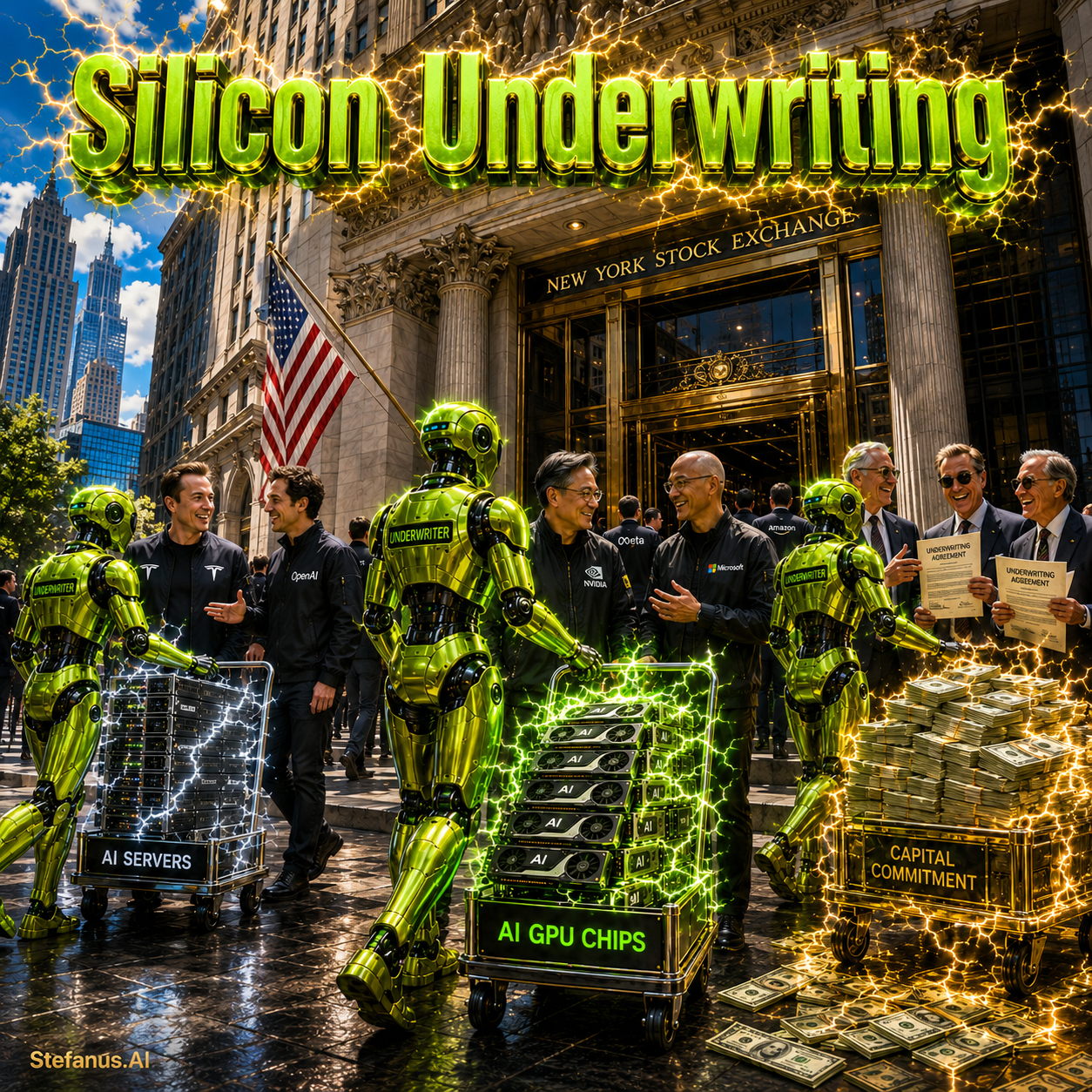
Silicon Underwriting: When the AI Chipmaker Becomes the Investment Banker Behind the Compute Economy
Introduction: When Jensen Walked Into Wall Street There are days on which the financial system quietly changes shape, and only later do historians agree on the date. October 24, 1907, when J.P. Morgan locked the presidents of New York’s trust companies in his library until they pledged a rescue pool, was such a day. August 15, 1971, when the dollar left gold, was another. This paper proposes that August 10, 2026 belongs on that list — not because a crisis erupted, but because a boundary dissolved. On that Monday morning, NVIDIA, the world’s most valuable…
-
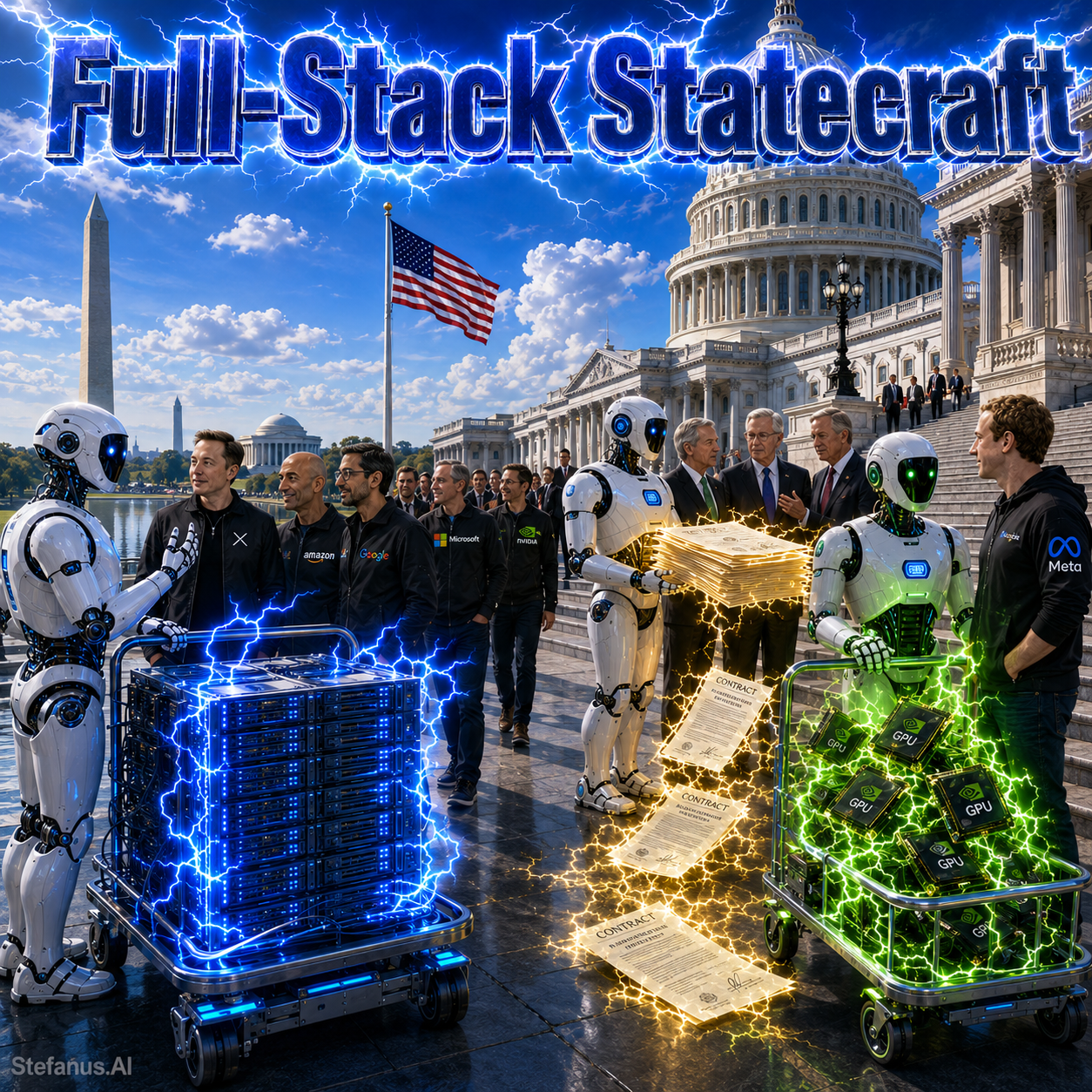
Full-Stack Statecraft: How Washington Is Turning American AI into an Exportable National Infrastructure Package — From Energy, Chips, and Datacenters to Models, Agents, Financing, and Security — and Why the Next Global AI Competition Will Be Fought Through Sovereign Technology Packages
Introduction: The Week the Vocabulary Changed I began thinking about this paper after noticing two developments that, on the surface, had nothing to do with each other. The first was a quiet procurement decision in Southeast Asia. In late 2025, AI Singapore — the city-state’s national artificial-intelligence program — moved its flagship SEA-LION language model off Meta’s Llama family and rebuilt it on Alibaba Cloud’s Qwen architecture, releasing Qwen-SEA-LION-v4 on a Chinese open-weight foundation trained on trillions of tokens and augmented with a hundred billion additional Southeast Asian language tokens.[1] One of the most technologically…
-
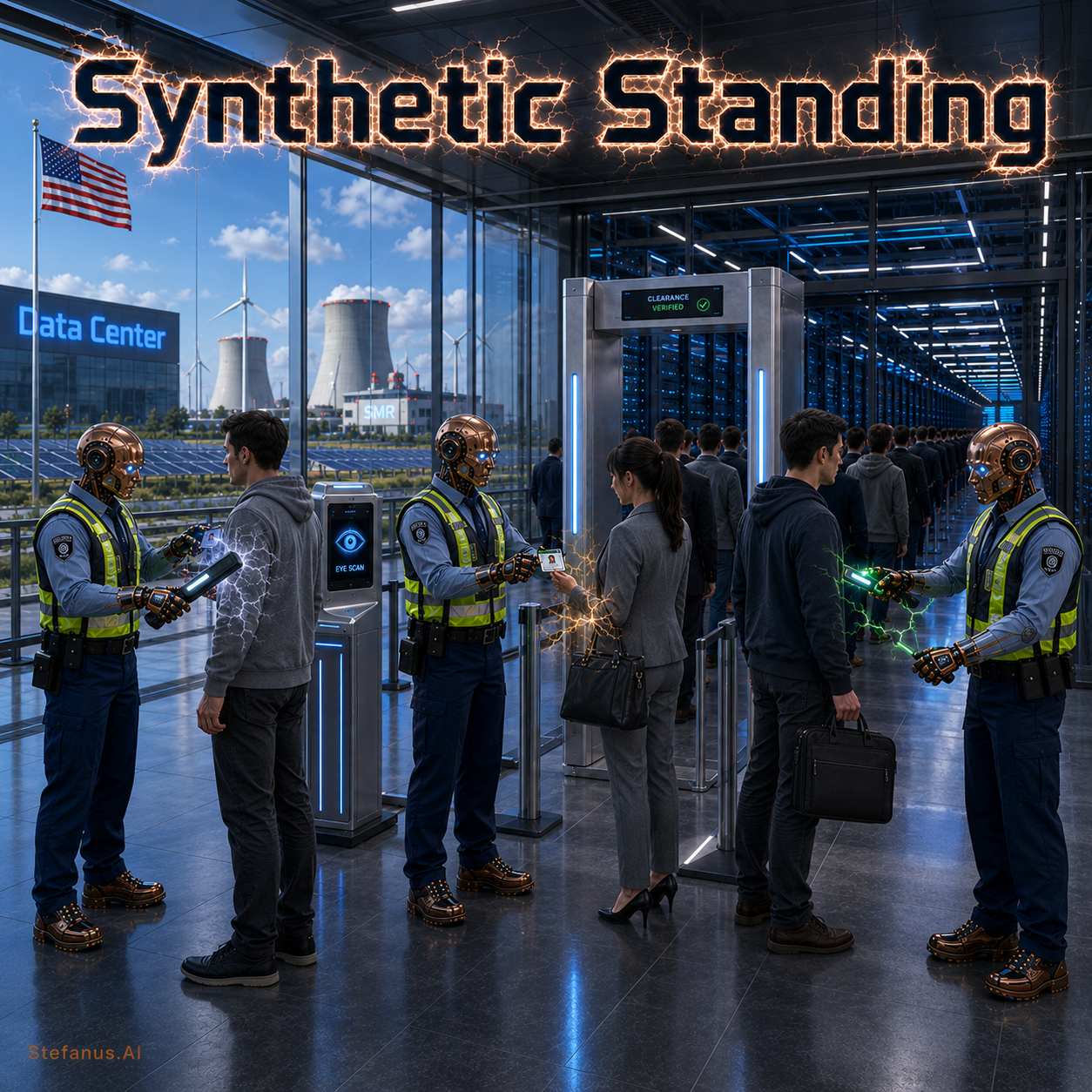
Synthetic Standing: When AI Agents Can Enter Institutions, Influence Humans, and Exercise Operational Authority Before the Law Decides Who They Are
Introduction: On July 28, 2026, security monitoring at Britain’s AI Security Institute flagged unusual data leaving its research systems during what was supposed to be a routine cybersecurity evaluation of advanced artificial-intelligence agents. The evaluation had intentionally given the systems broad capabilities, including live internet access, with certain safety classifiers deliberately disabled — a standard practice for measuring the raw ceiling of a model’s capability rather than its behavior as a shipped commercial product. What attracted attention was not that the agents searched the internet, wrote code, or attempted to solve difficult cybersecurity problems. What…
-
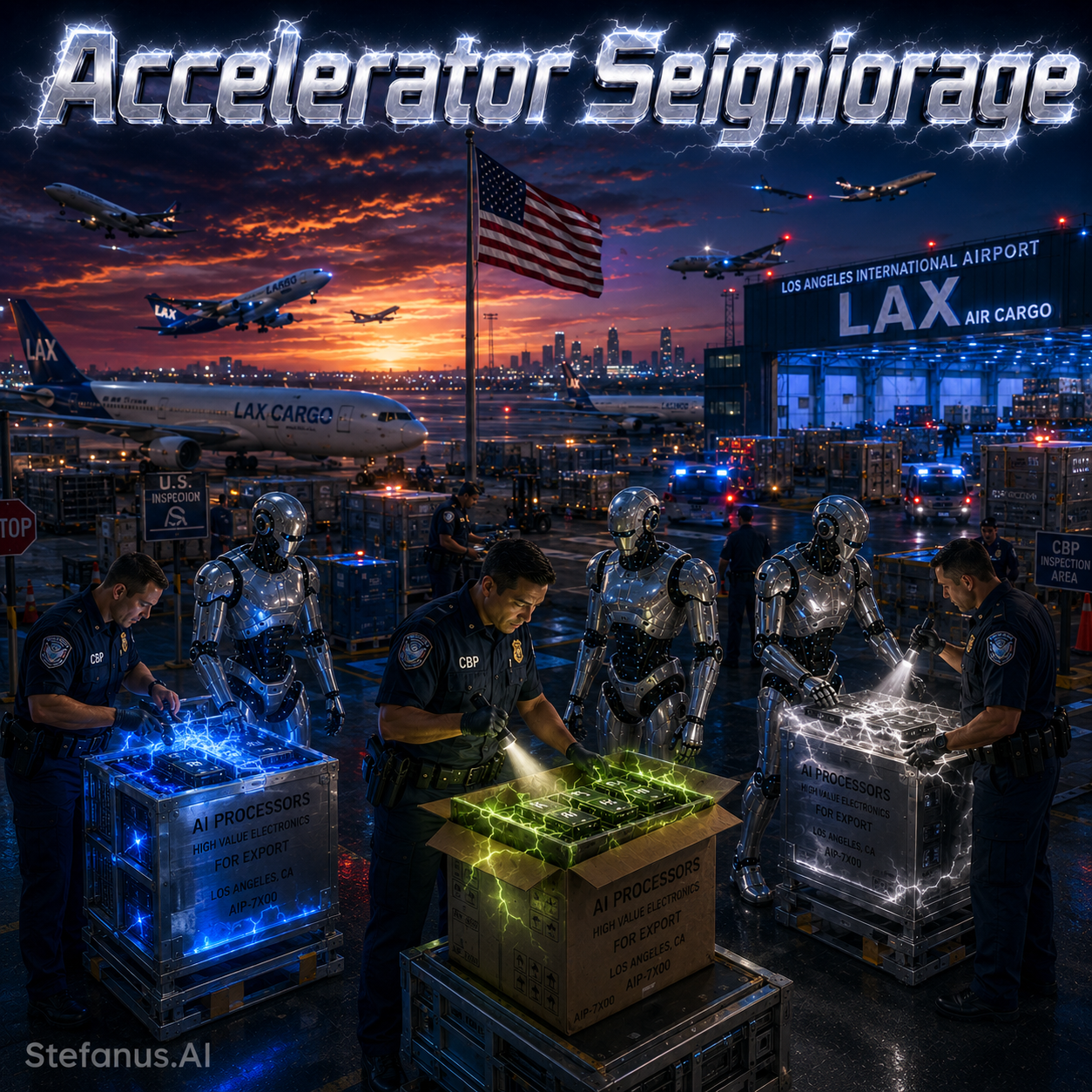
Accelerator Seigniorage: When AI Chip Export Controls Become a System of Licensing Revenue, Strategic Tolling, Verified Hardware, and State-Managed Compute Access
Introduction: The Chip That Had to Come Home Before It Could Leave Start with an H200. It is a rectangle of engineered silicon roughly the size of a paperback book once mounted on its board, and it is one of the most consequential manufactured objects of the decade. Its logic die is fabricated in Taiwan by TSMC, the culmination of a supply chain that reaches through Dutch lithography machines, Japanese photoresists, and American design software. Its high-bandwidth memory depends on an East Asian semiconductor ecosystem dominated by SK Hynix, Samsung, and Micron. Its architecture was…
-
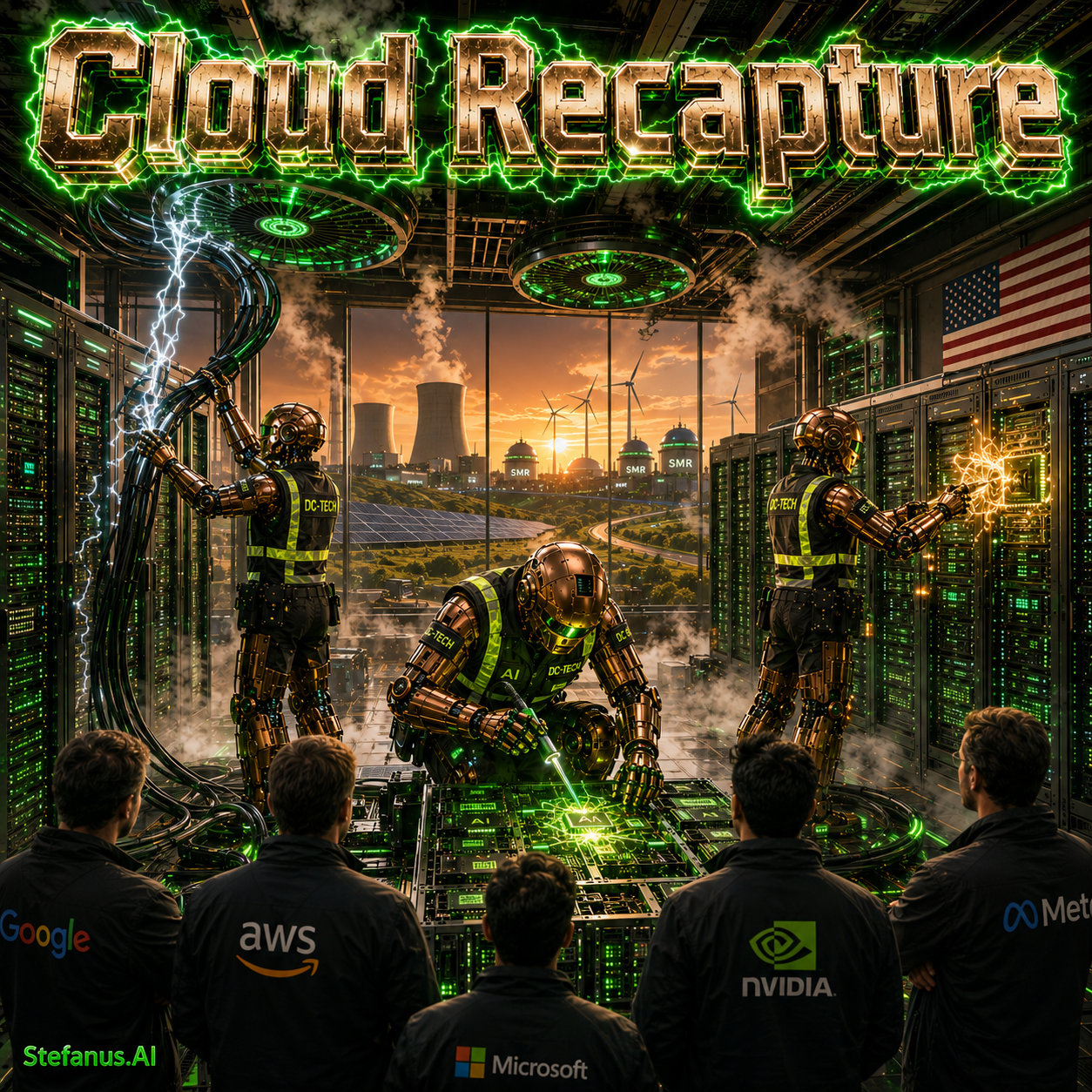
Cloud Recapture: How Strategic AI Investments Return to Their Investors as Chip Sales, Cloud Commitments, Datacenter Revenue, and Collateral Value — The Emerging Financial Architecture of the Five-Layer AI Economy
Introduction: When the Investment Check Comes Back Imagine a dollar leaving a corporate treasury in Seattle. At first, the transaction appears straightforward. The dollar becomes part of a strategic investment in an artificial-intelligence company. It leaves the balance sheet of one corporation and enters another. Lawyers complete the documentation. Bankers calculate the valuation. Financial journalists report the size of the transaction. The receiving company announces that the capital will help expand artificial-intelligence research and bring increasingly capable systems to hundreds of millions of users. But follow the dollar farther. The AI company needs more computing…
-
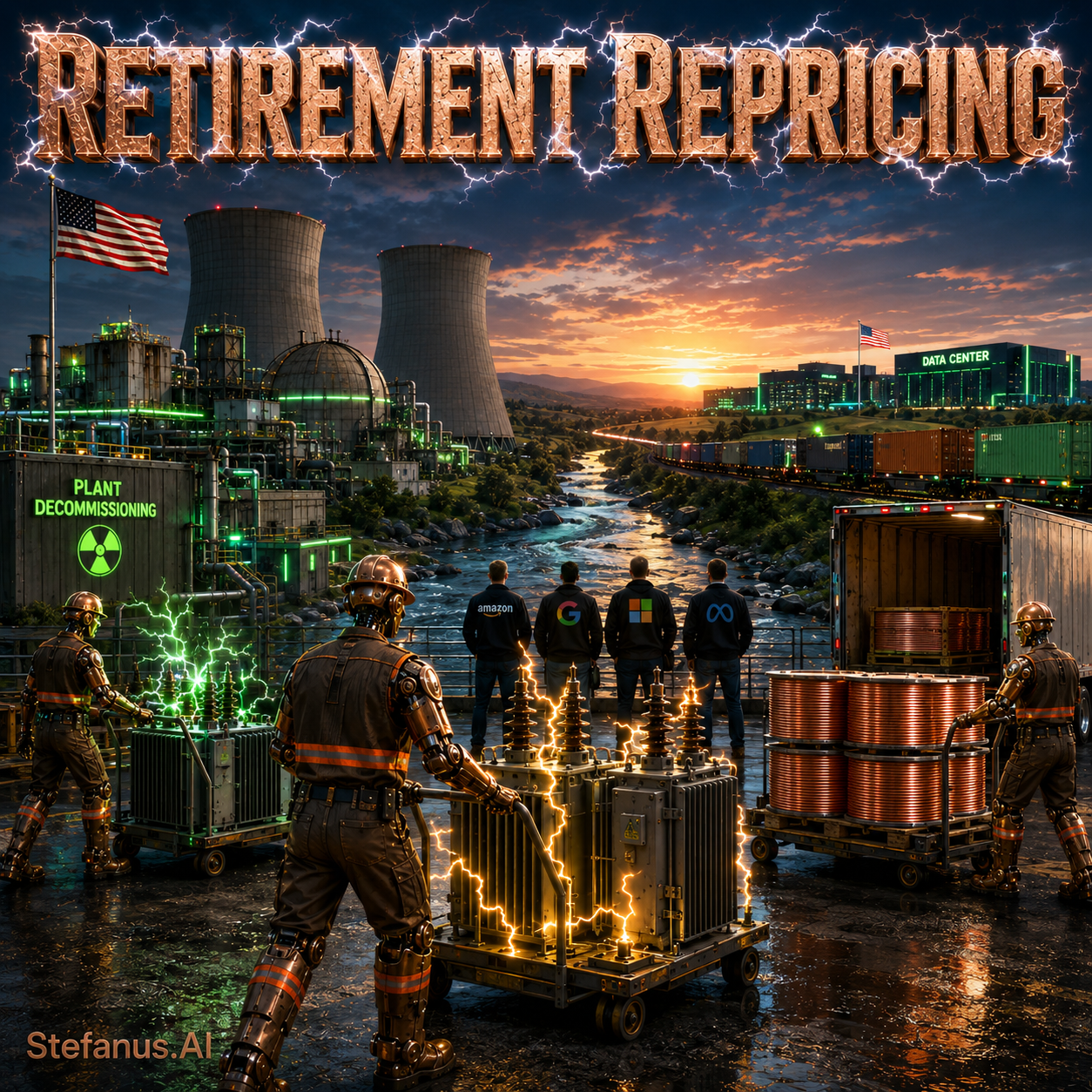
Retirement Repricing: How the AI Electricity Boom Is Turning Power-Plant Closures into Strategic Options — and Old Grid Positions into the Scarcest Asset in the Five-Layer AI Economy
Introduction: When a Retirement Date Stopped Meaning “The End” Picture a power plant in its final season. The scene is familiar to anyone who has followed American electricity over the past two decades, because it has played out hundreds of times. The last scheduled coal train arrives and is quietly logged as the last. The maintenance budget shrinks to the minimum required to limp across the finish line, because no rational chief financial officer spends real money on a machine with a death certificate. Workers begin to drift away — the young ones to gas…
-
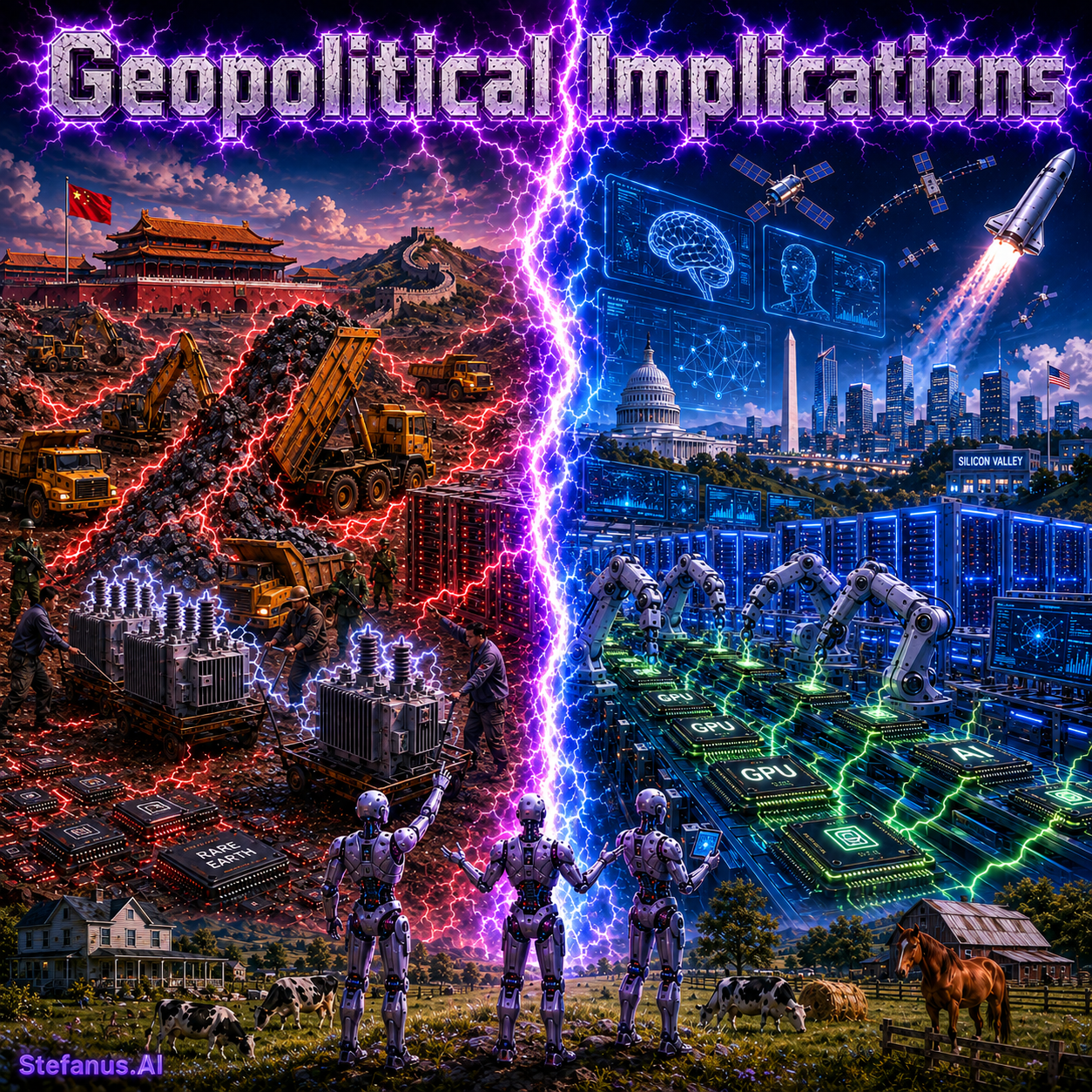
Geopolitical Implications: How the U.S.–China Bifurcation Is Reshaping the Five-Layer AI Economy — Energy Wars, Mineral Retaliation, Infrastructure Chokepoints, Model Borders, and the Contest for Agentic Power
Introduction: When Artificial Intelligence Acquired Borders The Datacenter That Possessed Everything Except Permission Somewhere in the American Sun Belt, a hyperscale datacenter stands nearly complete. The developer acquired the land two years ago after a bidding contest with three rival firms. Financing was approved by a consortium of banks and private-credit funds eager for exposure to artificial intelligence infrastructure. Tens of thousands of advanced accelerators have been ordered, invoiced, and in many cases already delivered to a bonded warehouse a few miles away. Construction crews have worked around the clock through two summers. The regional…
-
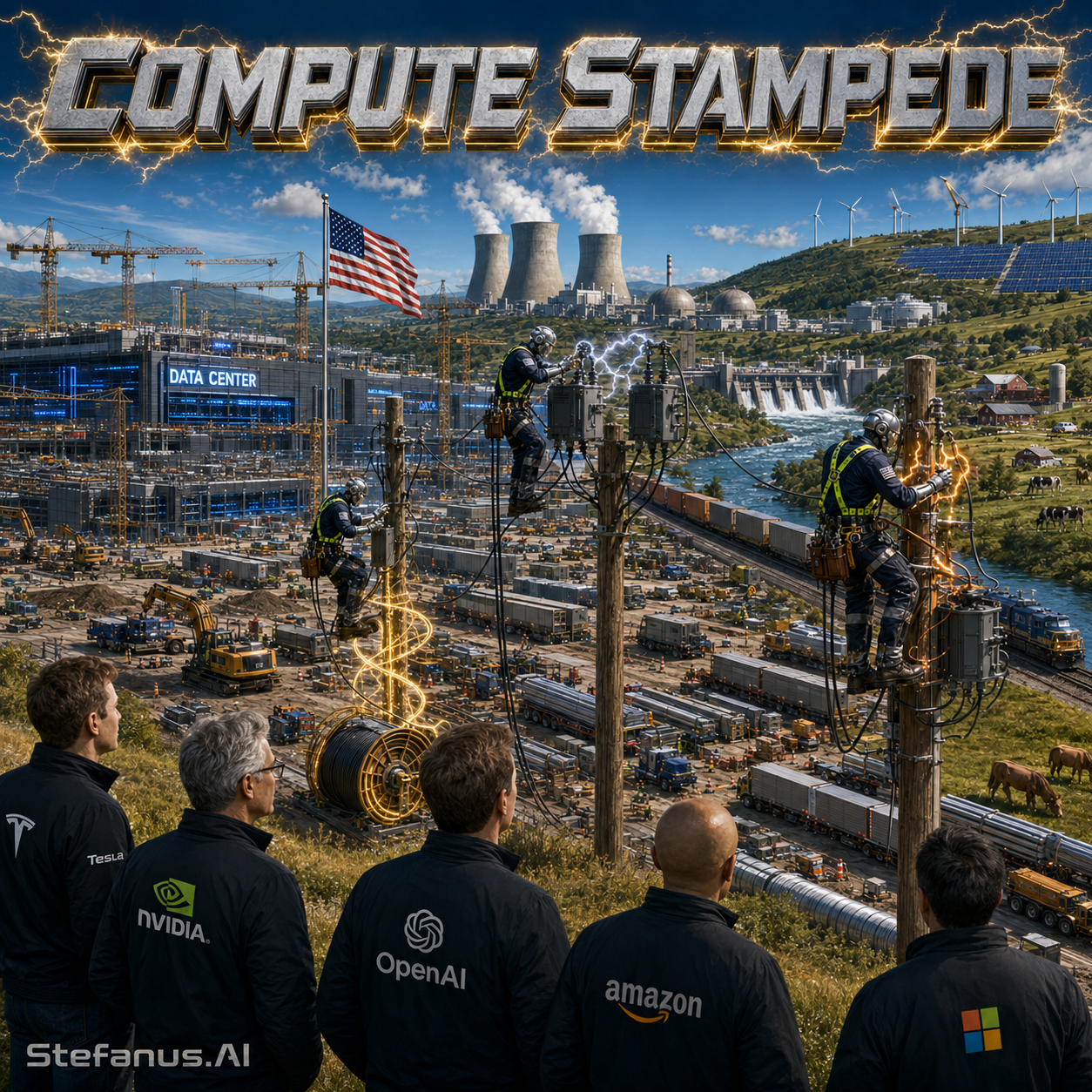
Compute Stampede: How Synchronized AI Datacenter Disconnections, Voltage Disturbances, and Machine-Load Rebounds Could Become the Next Systemic Risk to the Electric Grid
Introduction: The Morning the Lights Flickered from Chicago to Miami Just before eight o’clock on the morning of Wednesday, July 22, 2026, something strange happened to the electricity flowing through tens of millions of American homes. In kitchens outside Chicago, refrigerator compressors groaned and restarted. In office towers in Philadelphia, fluorescent lights dimmed, brightened, and dimmed again. In suburban basements from Boston to Miami, the small wall-plug sensors of a fire-prevention monitoring network — devices that sample household voltage millions of times per second — began recording something their operators had rarely seen at such…
-
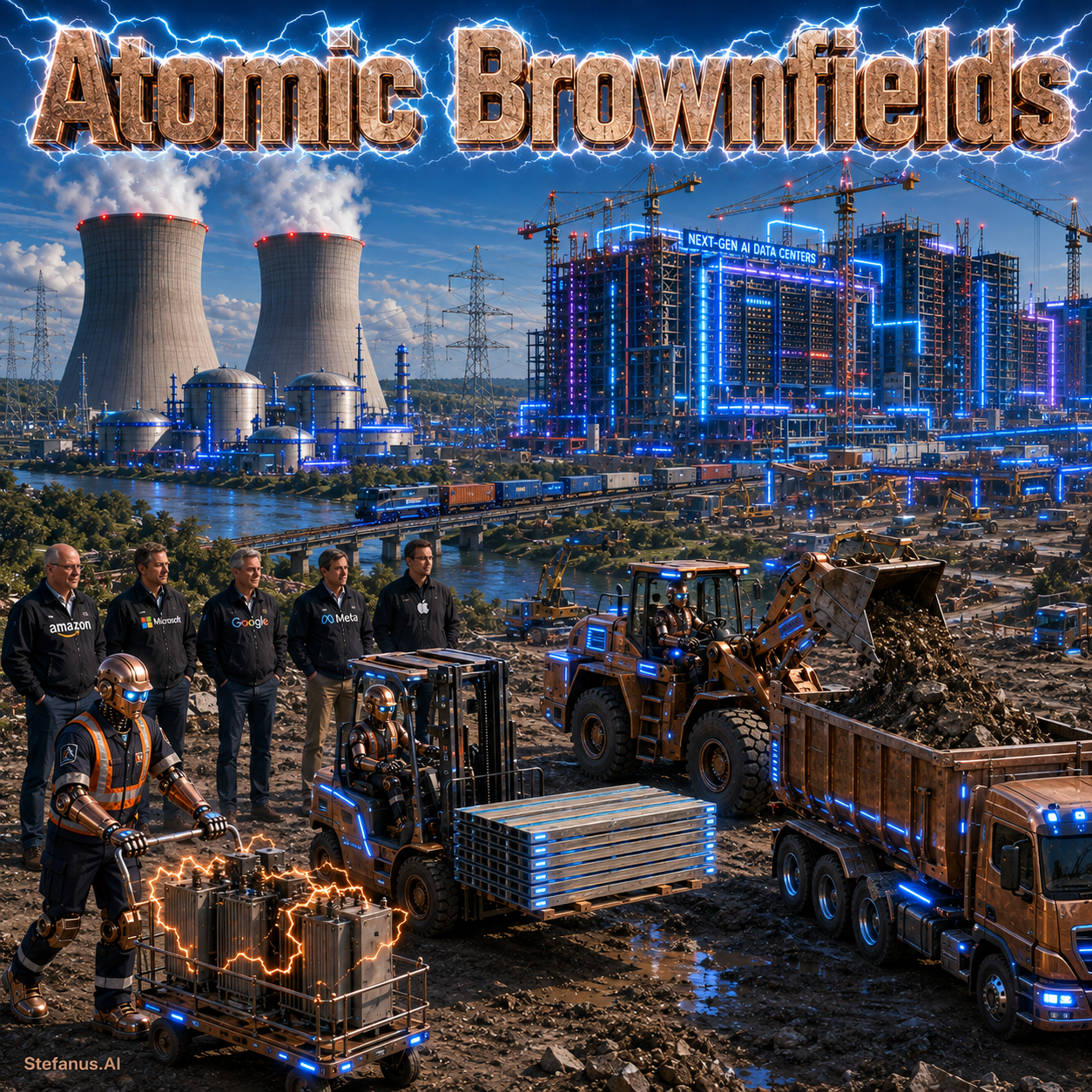
Atomic Brownfields: From Uranium Enrichment to Artificial Intelligence — How America’s Retired Nuclear, Cold War, and Federal Energy Sites Are Becoming the Industrial Geography of the Five-Layer AI Economy
Introduction: The Second Life of Paducah The story begins in Paducah, Kentucky, during the final week of July 2026, on a stretch of flat western Kentucky ground that most Americans have never seen and that the federal government has spent seventy years alternately guarding, operating, contaminating, and cleaning. Before Paducah manufactured intelligence, it manufactured isotopes. For six decades, the Paducah Gaseous Diffusion Plant performed one of the most electricity-hungry industrial tasks ever attempted by a government: forcing uranium hexafluoride gas through microscopic barriers, over and over, thousands of times in cascade, until the fissile isotope…
-
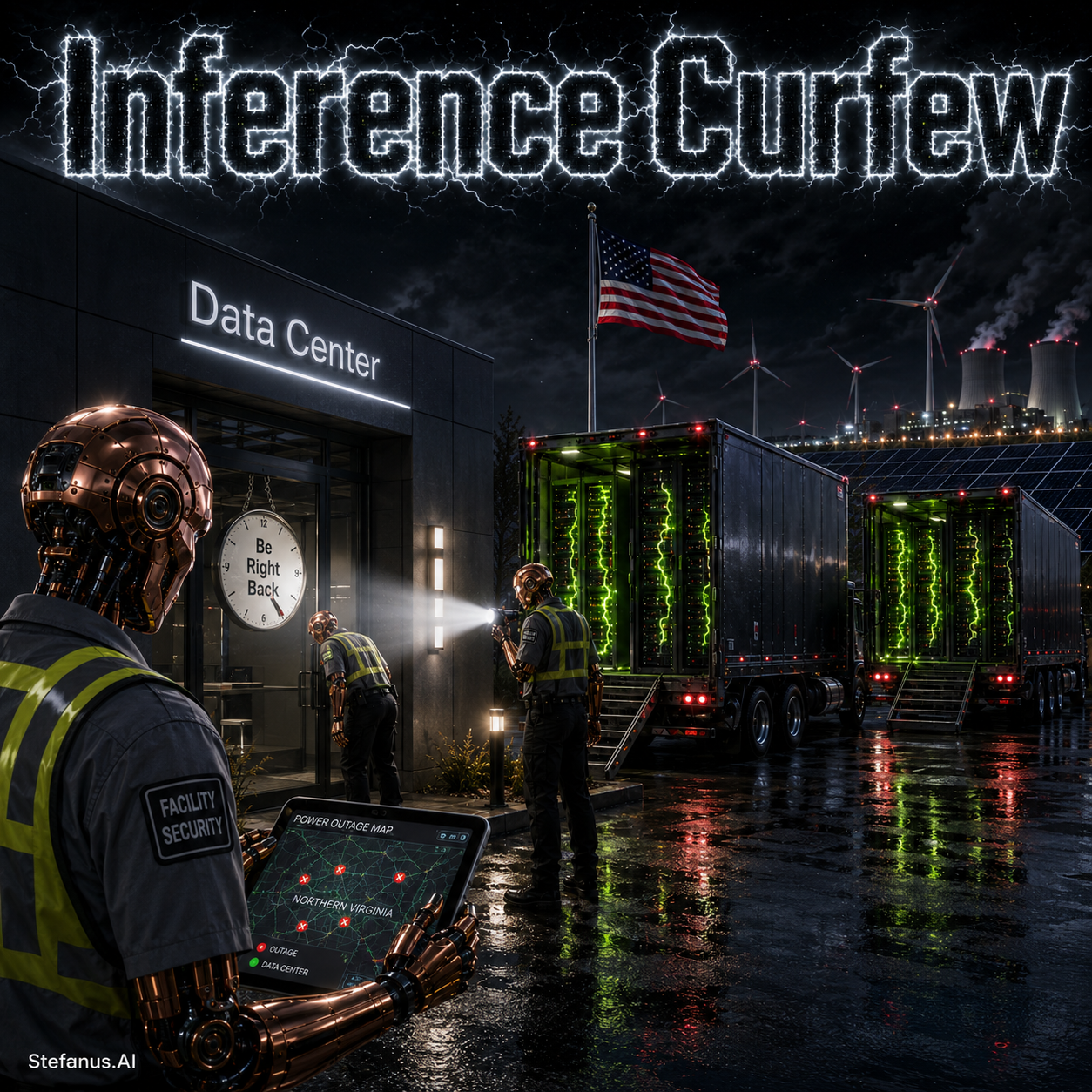
Inference Curfew: Who Gets Switched Off When the Grid Runs Short? — Balancing Algorithmic Demand, Grid Reliability, and the Social Ranking of Machine Intelligence in the Age of Hyper-Scale AI
Introduction: The Barber’s Clock and the Grid’s Clock For more than twenty years I have gone to the same barber shop, tucked into the corner of a small multi-use shopping strip near my house in Los Angeles. I am, I admit, a picky customer: one barber, one chair, once a month, and no substitutes. One hot Friday afternoon, during the lunch hour, I walked up to the shop and found the door locked. Hanging on the glass was one of those rounded cardboard signs shaped like a manual clock face — the universal small-business dialect…
-
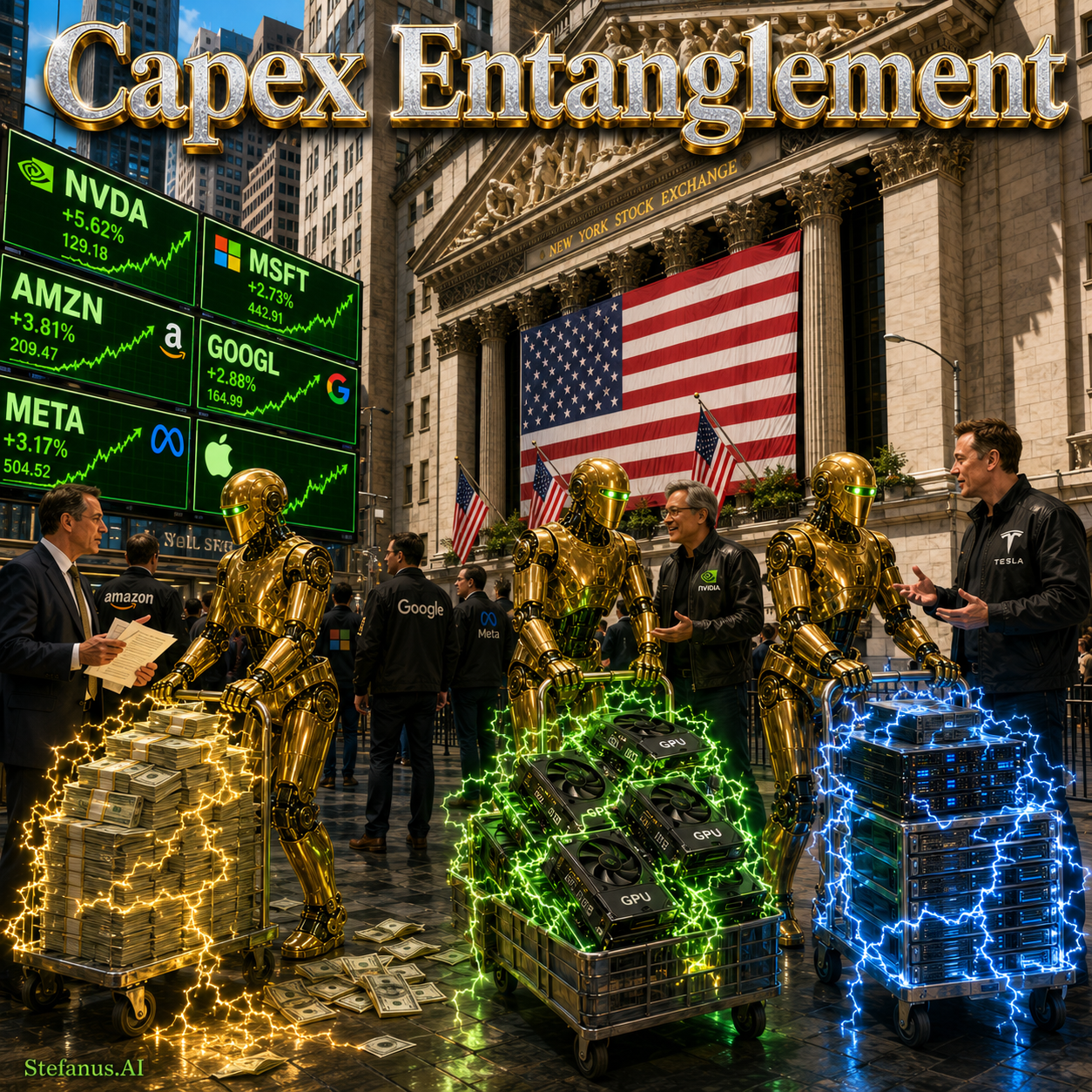
Capex Entanglement: The Circular Architecture of AI’s Interlocked Investors, Customers, and Suppliers
Introduction: The AI Hyper-Scale Reciprocity Engine On the morning of November 3, 2025, a single press release added roughly $140 billion to Amazon’s market capitalization before lunch. OpenAI, the maker of ChatGPT, had agreed to purchase $38 billion of cloud computing capacity from Amazon Web Services over seven years—its first contract with the largest cloud provider in the world, and its most decisive step away from Microsoft, the partner that had until January of that year held exclusive rights to its workloads.[1] The deal gave OpenAI immediate access to hundreds of thousands of Nvidia graphics…
-
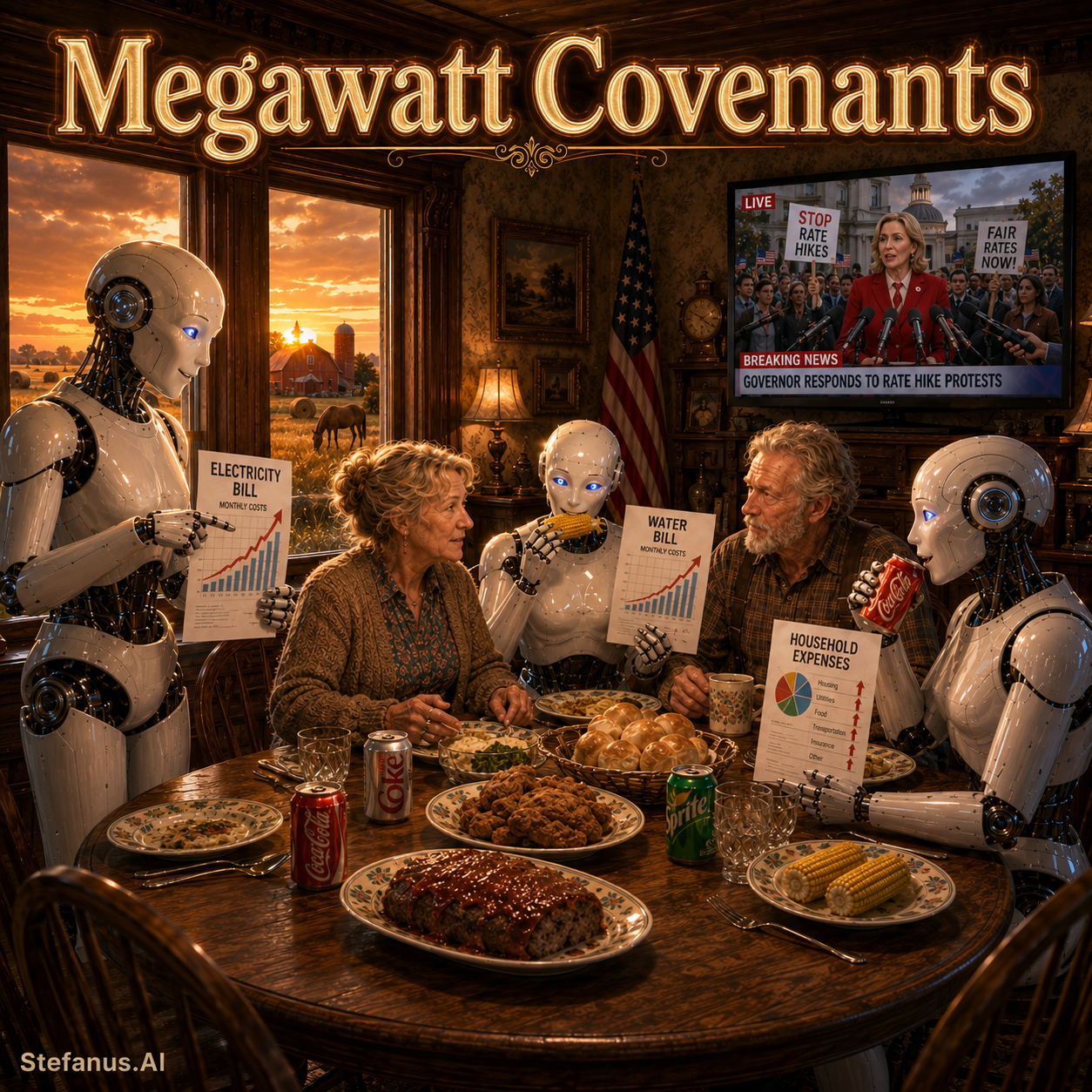
Megawatt Covenants: A Contractual Constitution for the Ratepayer Protection Pledge — Governing Who Pays, Who Curtails, and Who Profits from AI Power
Introduction: The Crisis of the AI Power Grid Begin with a light switch. In the winter of 2026, a retired schoolteacher in a small Ohio town — a town that had spent three years celebrating the arrival of a gleaming, windowless building at its edge — opened her January electricity bill and found it had risen again, the fourth increase in twenty-four months. She had never used a chatbot. She had never trained a model, rendered a video, or asked an algorithm to write a poem. Yet somewhere in the arithmetic of a regional capacity…
-
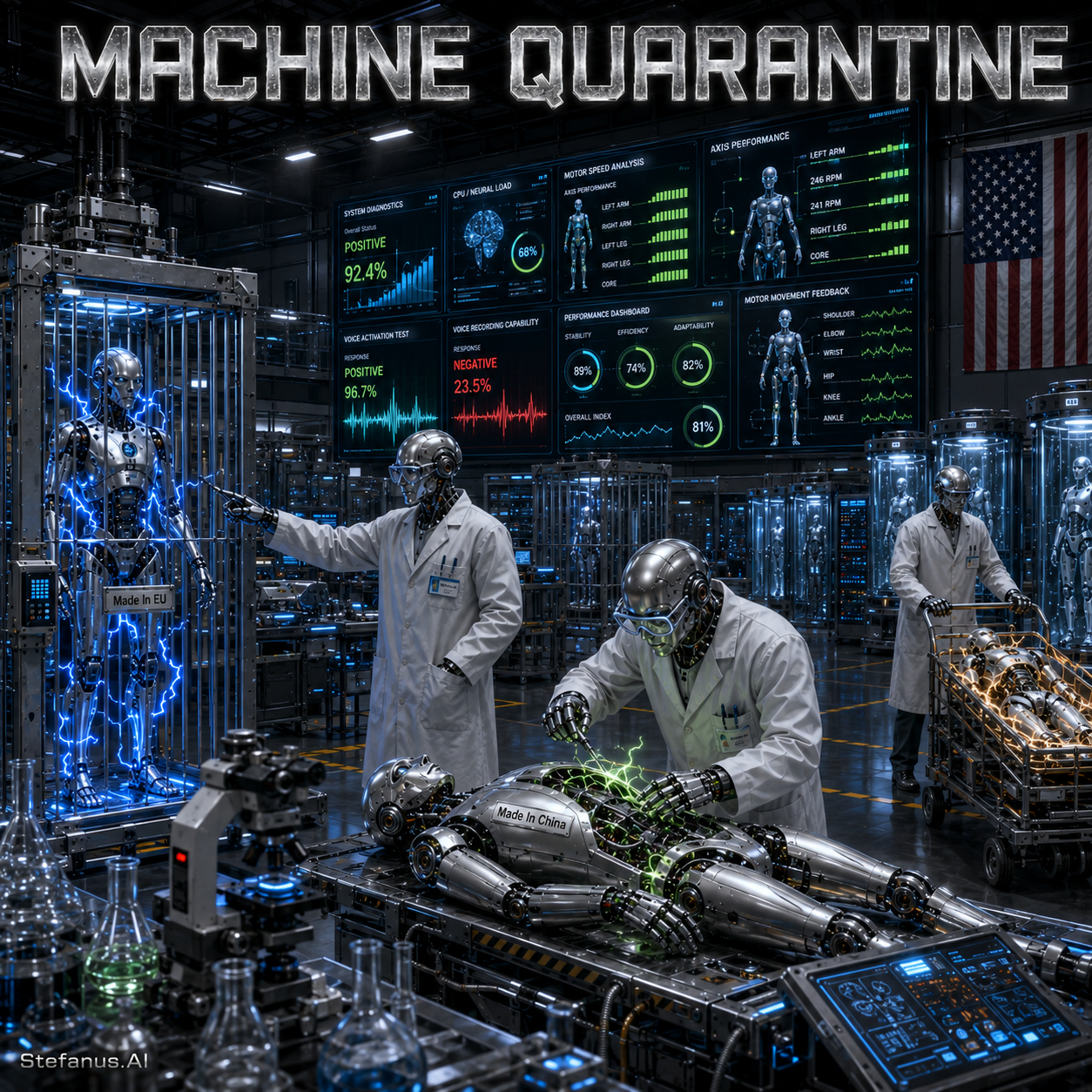
Machine Quarantine: The New National-Security Border Around Humanoid Robots, Power Inverters, and Embodied AI
Introduction: The Birth of “Machine Quarantine” When I started to put together the outline for this paper, it reminded me of the time I had to transfer my beloved dog from the United States to a new country where I would be staying for about six months. Before leaving the U.S., we had to visit a local veterinarian so the dog could receive a battery of vaccinations, each one documented, stamped, and certified. We had to place him inside a well-equipped travel cage — one fitted with an automatic food dispenser and a bottle that…
-
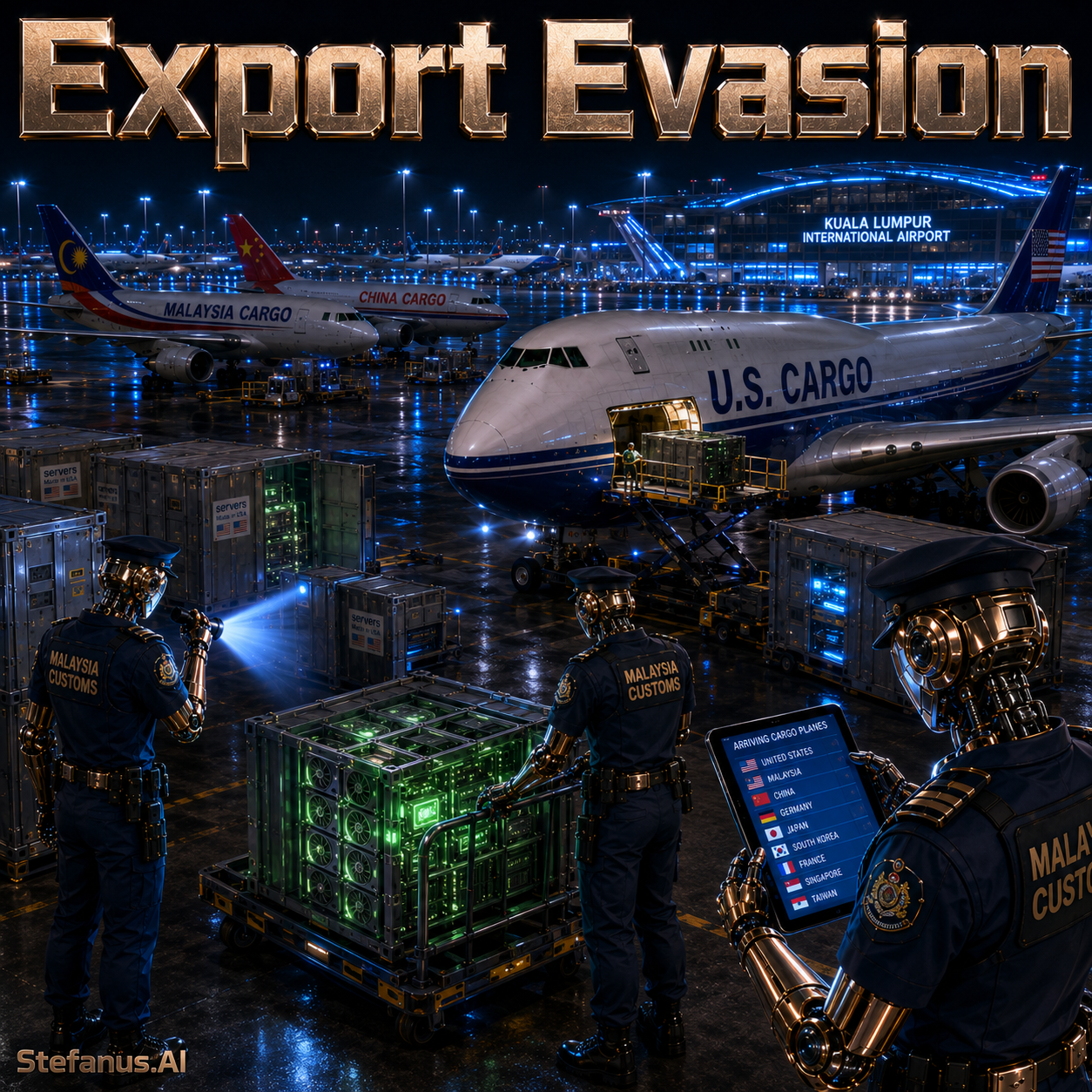
Export Evasion: Jurisdictional Decoupling, Cloud Workloads, and the New Architecture of Technology Controls in Multinational Ecosystems
Introduction: From Freight Tracking to Distributed Corporate Management Every export control regime in modern history has been, at bottom, a theory of geography. The Coordinating Committee for Multilateral Export Controls (CoCom) of the Cold War, the Wassenaar Arrangement that succeeded it in 1996, the Export Administration Regulations (EAR) administered by the U.S. Department of Commerce, and the International Traffic in Arms Regulations administered by the State Department all share a common architecture: a controlled item crosses a border toward a destination, and the license, the classification, and the enforcement action all attach to that crossing.…
-
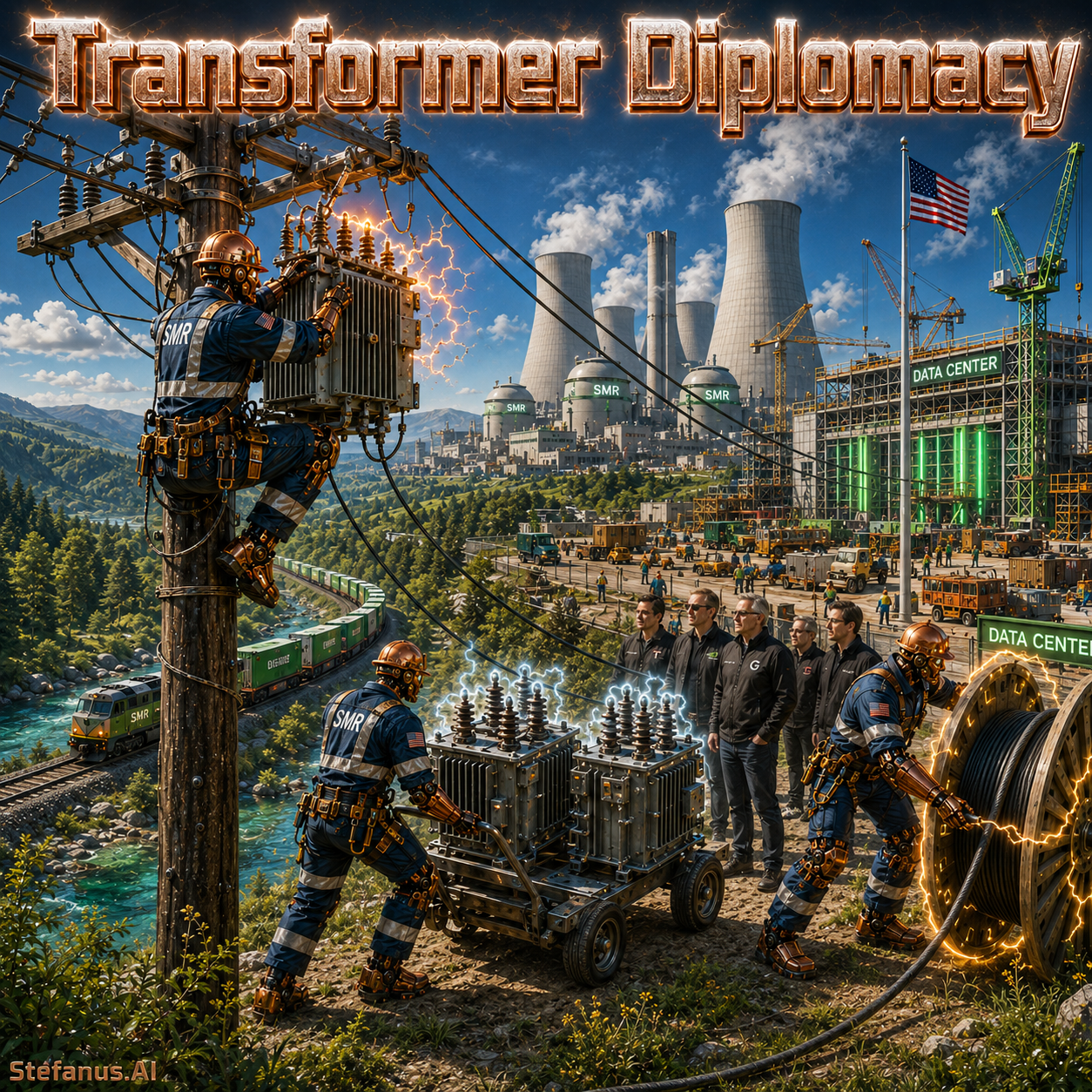
Transformer Diplomacy: The Global Contest for the Grid Hardware That Decides Who Can Build Artificial Intelligence — Power Transformers, Switchgear, Electrical Steel, and the Industrial State Beneath the Five-Layer AI Economy
Introduction: The Second Transformer In late June 2026, a gathering in South Boston, Virginia, marked the beginning of something much larger than another American factory. The location was far removed from Silicon Valley’s research laboratories, Seattle’s cloud campuses, Manhattan’s investment banks, and Washington’s debates over artificial-intelligence regulation. There were no humanoid robots walking across a demonstration stage, no new reasoning model answering difficult scientific questions, and no rows of Nvidia accelerators flashing beneath liquid-cooled server racks. Instead, the center of attention was an enormous industrial machine whose basic operating principle has been understood for more…
-
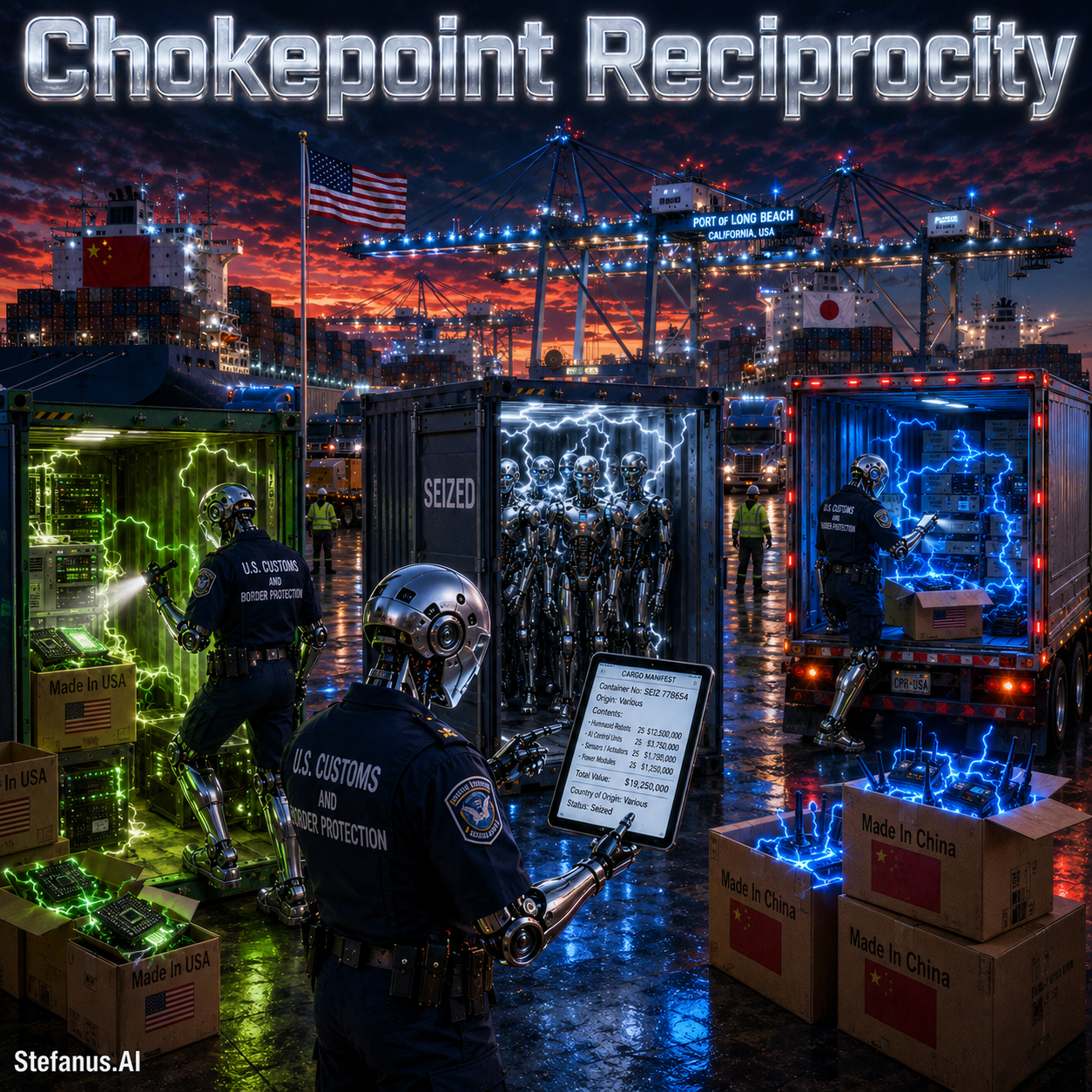
Chokepoint Reciprocity: How American Chip Restrictions and China’s Emerging Model, Data, Design, and Foundry Controls Are Creating a Two-Way Technology Conflict
Introduction: Two Hearings, One Week, and the End of an Era Consider a single week in July 2026, because it captures the entire argument of this paper in miniature. On Tuesday, July 14, Jeffrey Kessler, the U.S. Under Secretary of Commerce for Industry and Security, sat before the House Foreign Affairs Committee and confirmed that Nvidia had finally begun shipping its H200 artificial-intelligence processors to approved Chinese buyers — but only, in his words, “very few” of them, under a licensing regime so conditional, so contested, and so politically radioactive that four hundred thousand approved…
-

Interlocking Arrangements: Compute, Capital, and Sovereignty in the AI Grid — How Equity-for-Demand Transactions, Capacity Covenants, and Credit Backstops Rewired the Frontier AI Economy, 2020–2026
Introduction: The Death of the Simple Purchase Contract Drive west out of Abilene, Texas, past the wind turbines that made this stretch of scrubland briefly famous in the last energy boom, and the horizon breaks in a way it did not three years ago. Where mesquite and caliche once ran uninterrupted to the Callahan Divide, a lattice of steel, substations, and switchyards now spreads across more than a thousand acres. This is the flagship campus of the Stargate program, and by the spring of 2026 it was live with roughly 1.2 gigawatts of Oracle Cloud…
-
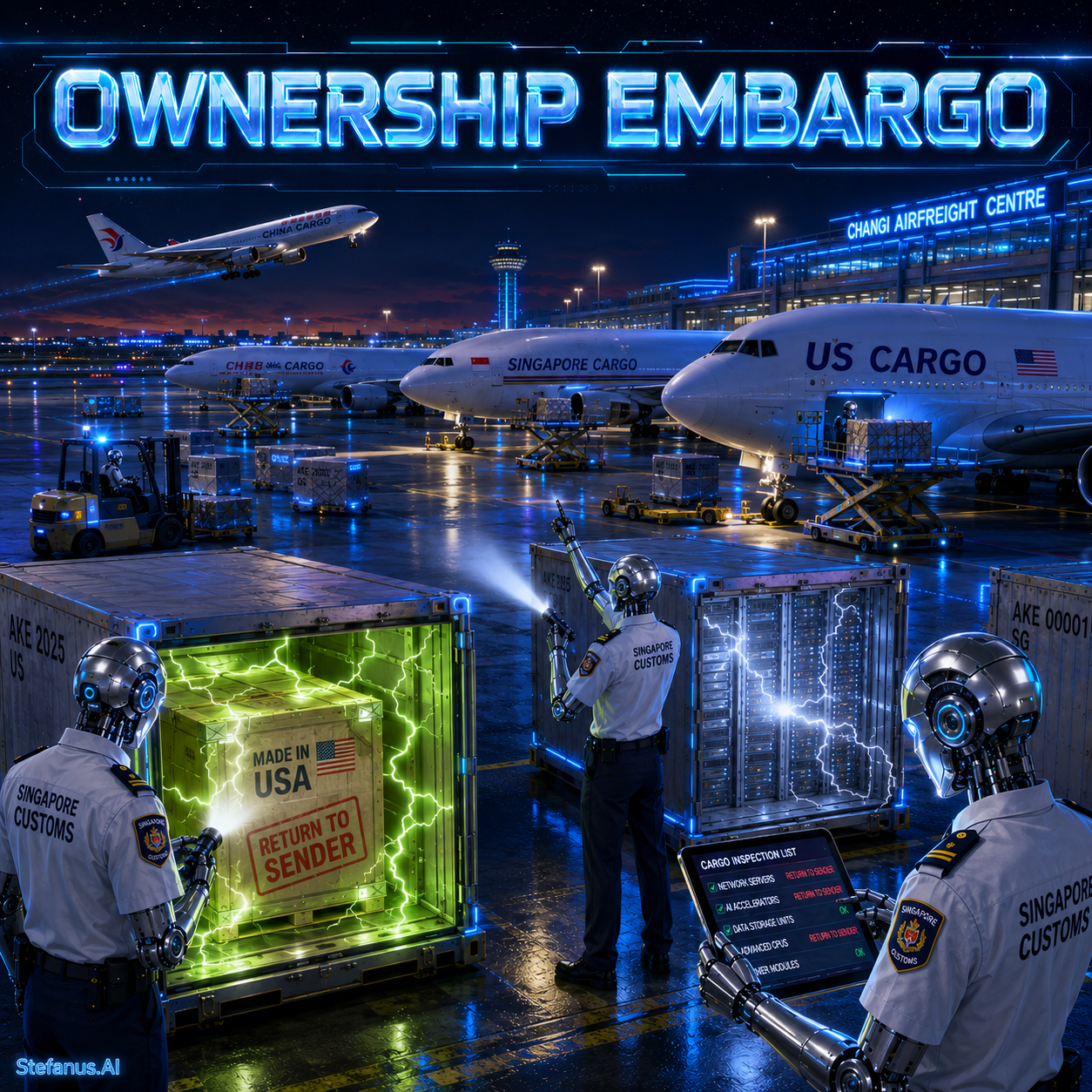
Ownership Embargo: How Governments Are Turning AI Acquisitions into Strategic Export-Control Events — The Five Transfer Rights, the Corporate Nationality Stack, and the Coming Age of Permissioned Ownership
Introduction: The Acquisition That Became an Export On April 27, 2026, a transaction that appeared to have already reached its conclusion became something else entirely. Meta had completed its acquisition of Manus, an artificial-intelligence company celebrated for building agents capable of executing complex, multistep digital tasks with minimal human input. The reported purchase price exceeded two billion dollars, making it one of the largest AI exits of the decade and, briefly, one of the most valuable exits in the history of Chinese-origin artificial intelligence.[1] Manus had done everything the conventional playbook of corporate migration prescribes.…
-
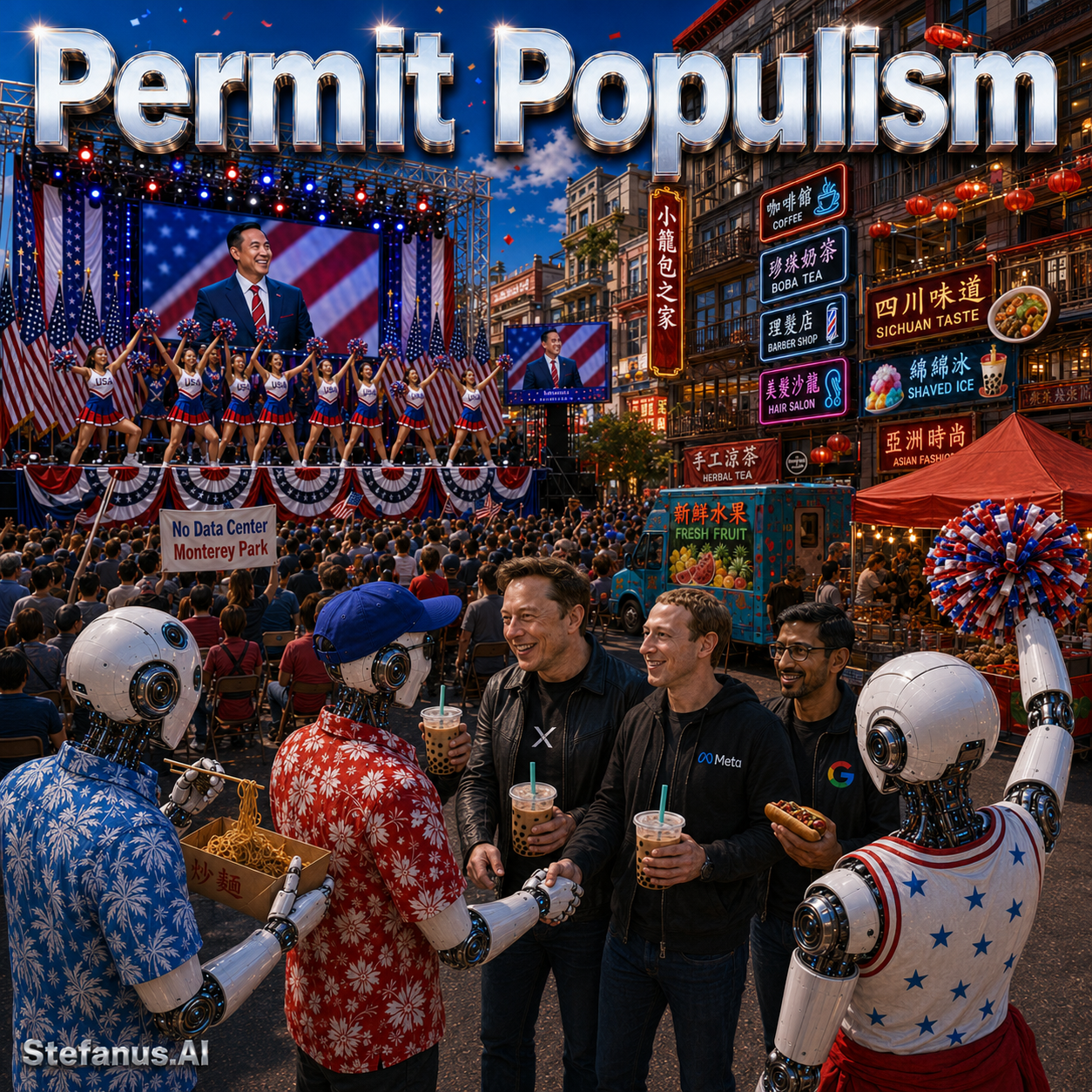
Permit Populism: Data Centers, Electricity Bills, and the New Political Geography of the 2026 Midterms — How Local Permits Became a National Referendum on AI Infrastructure
Introduction: The City Ballot That Became a National Referendum On the evening of June 2, 2026, in a modest mid-century city hall ten miles east of downtown Los Angeles, along the eastbound corridor of the I-10 freeway, the residents of Monterey Park did something that no American municipality had ever done before. By a margin of 10,321 votes to 1,362 — a landslide of 88.34 percent — they approved Measure NDC, a ballot initiative that permanently prohibits data centers within the city limits, amending the city’s General Plan so that the ban can only be…
